We recommend the style when its shade, fit and fabric suit occasions you genuinely attend. Red gives an outfit an immediate focal point, so you can often keep shoes and jewellery simple.
However, a bright satin mini and a Burgundy cotton midi offer different levels of everyday versatility. For UK shoppers, value depends on comfort, construction and realistic repeat wear, not how striking the garment looks online.
Start with where you’ll wear it, then compare colour, measurements, materials and the full purchase cost before choosing.
Key Takeaways
- Choose a red shade, silhouette and length that suit your plans, comfort and personal taste, rather than following rigid body-shape rules.
- Compare your bust, waist and hip measurements with the dress’s size chart, as sizing varies between brands.
- Check fabric weight, lining and seam quality alongside fibre content; a premium label doesn’t guarantee better construction.
- Judge value by expected wear, care costs and alterations, not just the purchase price.
- Online shopping offers more choice, but delivery charges and return conditions can affect the deal.
Dress Styles for Different Occasions
Length and silhouette affect how a dress moves, feels and fits your wardrobe. Start with your usual activities.
Choose a silhouette that suits your plans
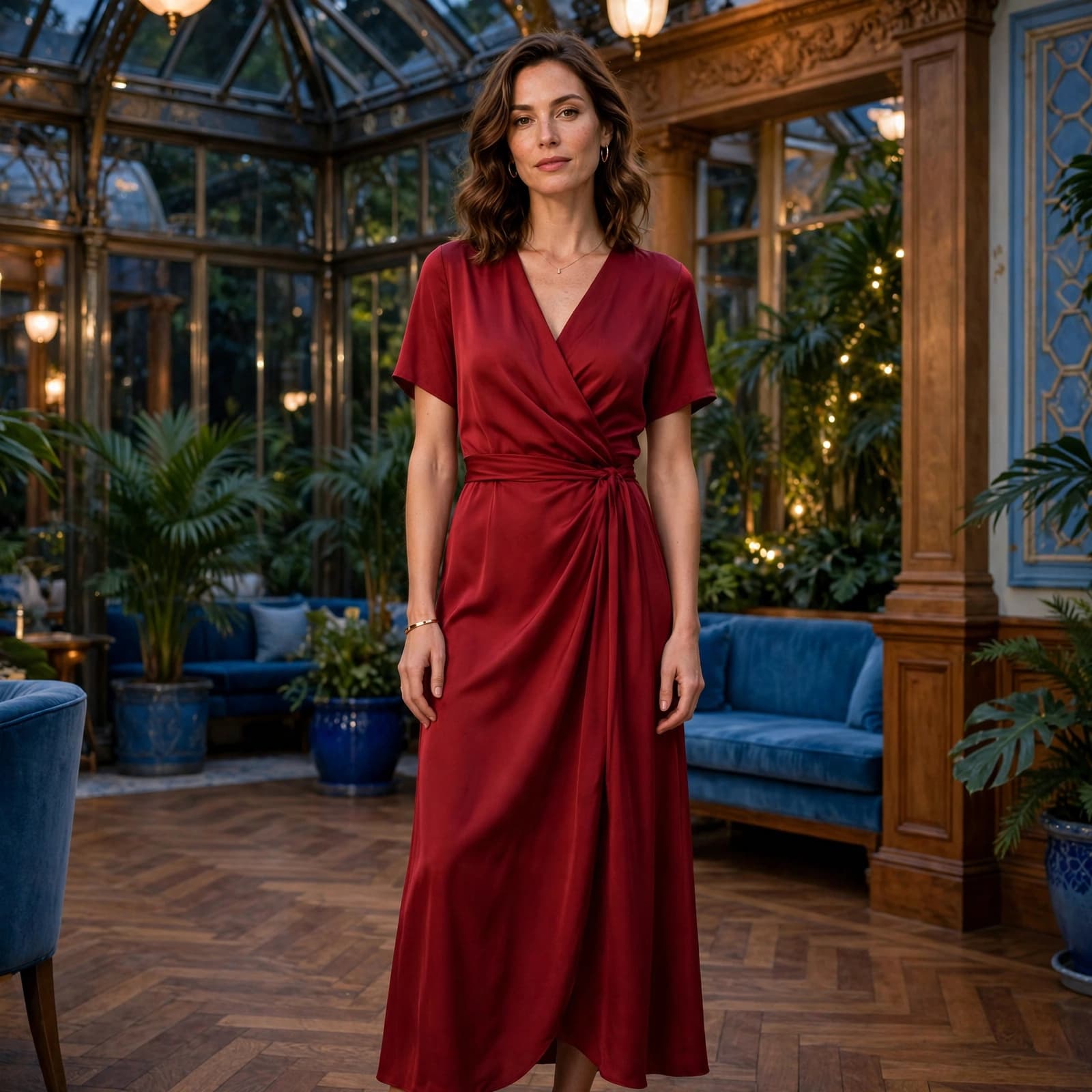
An A-line dress widens towards the hem, giving the skirt more room. A Wrap Dress offers an adjustable waist, although its neckline and skirt overlap need attention.
A sheath follows the body more closely, so comfortable movement matters. A Shirt Dress can look relaxed or tailored, depending on its cut and fabric.
A Midi Dress and a Maxi Dress describe length, not silhouette. Either can be fitted, loose or tiered. Choose the shape you enjoy wearing. There’s no need to match your body to a prescribed silhouette.
Match the dress to the event
For casual days, a cotton Shirt Dress or relaxed midi works with flat footwear. A restrained neckline and comfortable hem length can suit work.
Wedding guest outfits should reflect the invitation, setting and season, including whether Red suits the occasion. Parties allow more shine, embellishment or shorter lengths. A brighter Red can work well, whilst formal events may call for a gown.
Length alone doesn’t determine formality. A structured midi can look dressier than a lightweight maxi. Outdoor venues also favour hems and shoes that cope with grass, steps and uneven ground.
How to Choose the Right Shade and Fit
Colour and fit work together. A shade you love won’t compensate for a neckline that needs constant adjustment.
Find a red tone you enjoy wearing
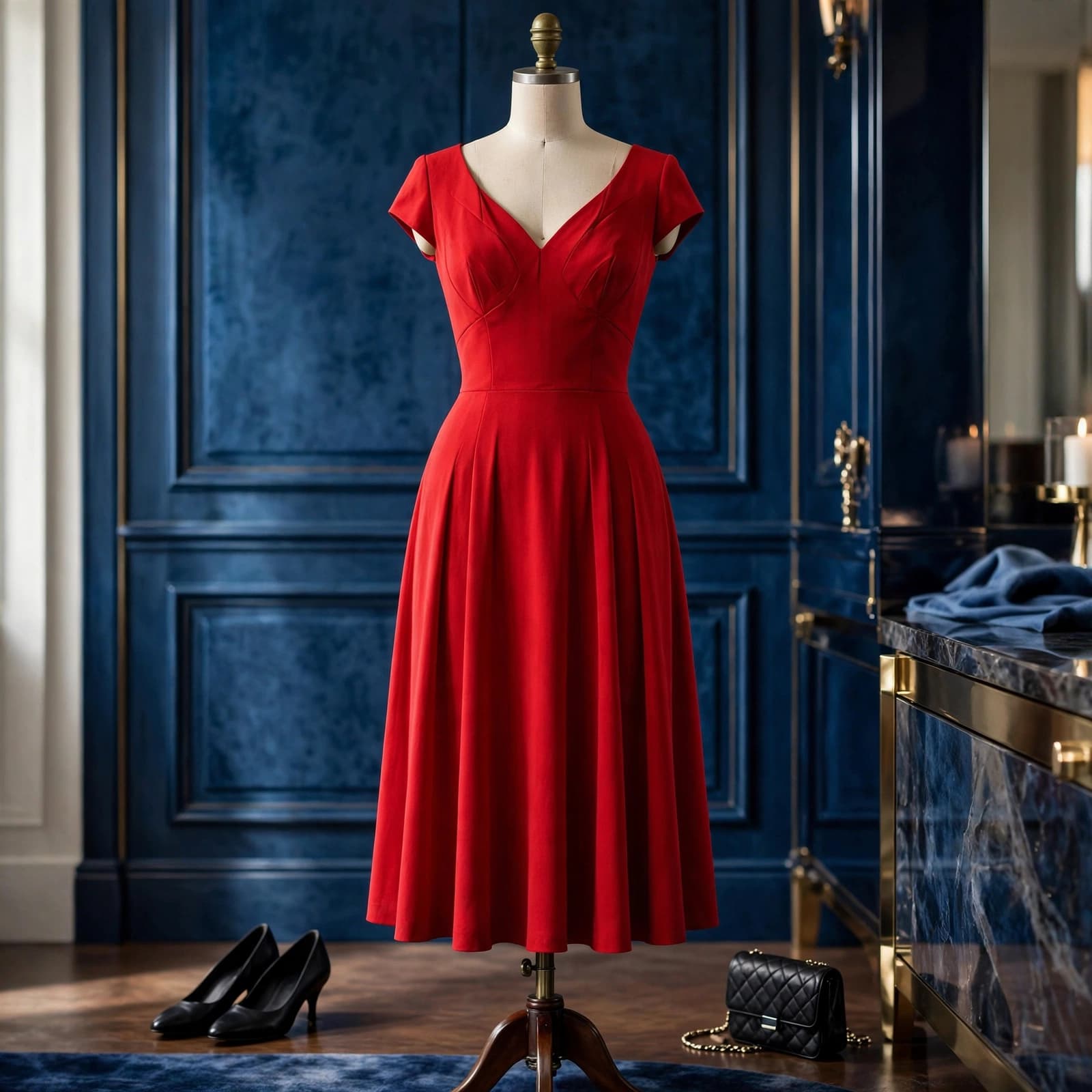
Bright red creates a clear focal point, whilst deep burgundy offers a darker, less vivid option. Cherry shades can feel crisp; muted brick or rose tones give a softer effect.
Ruby and other jewel tones make striking choices, but no shade suits everyone automatically. If you prefer cooler colours, blue-based reds may appeal. Warmer, orange-based tones may suit your taste if you enjoy golden shades.
Fabric also changes how red looks. Glossy satin catches light differently from matte cotton, and indoor lighting can distort colour. Compare the shade in daylight where possible, particularly beside accessories you already own.
Check measurements, cut and ease of movement
Measure your bust, waist and hips with a flexible tape, keeping it level without pulling tightly. Then compare those figures with the specific size chart.
Body measurements and garment measurements differ: the garment needs enough room for its intended fit. Stretch may help, but a non-stretch lining can limit it.
When trying the dress, sit, walk and reach forwards. Look for pulling at seams, gaping buttons and a hem that rides up. Test zips and closures too.
A tailor can improve some fit issues, but extensive changes may undermine the saving on a cheaper dress.
Which Dress Fabrics Feel Best and Last Longer?
Fibre content gives useful clues about comfort and care. However, fabric weight and construction also affect how a dress performs.
Compare cotton, linen, silk and synthetic blends
Cotton often feels comfortable against the skin and suits everyday wear. Linen can feel airy in warm weather, although creasing is part of its character. Both need enough fabric weight or lining if transparency concerns you.
Silk can feel smooth and drape fluidly, making it appealing for occasionwear. Its care requirements deserve attention before purchase.
Polyester and blends vary widely. Some offer easy care and accessible prices; others feel stiff or retain warmth. Stretch blends can improve movement, depending on the cut. Red fabrics can fade with repeated washing or sunlight, so check the care label for colourfastness guidance.
Also, satin describes a fabric structure, not a fibre. A satin dress might contain silk, polyester or another material, with different care needs.
Look beyond the fabric name to quality details
Inspect seams for even stitching, loose threads and puckering. A lining should cover the areas that need opacity without twisting or pulling.
Zips should move smoothly, whilst buttons need secure stitching and suitable spacing. On patterned dresses, matching prints across prominent seams suggests attention to finishing, although it isn’t a durability guarantee.
Assess creasing and transparency in normal light. Red shades can look different under shop lighting. Follow the care label, then choose storage that supports the garment’s weight. Heavy embellishment may need flat storage, whilst suitable hangers help protect lighter dresses. Keep delicate surfaces away from snagging jewellery and rough accessories.
Is the Red Option Worth the Price? Compare Quality and Value
Our buying rule is straightforward: spend for improvements you’ll notice and use. Price alone doesn’t establish quality.
Weigh the benefits against the trade-offs
The dress can make outfit planning easier because the main piece already provides visual interest. Its usefulness depends on your wardrobe and dress codes.
- A simple design can work for daytime and evening with different footwear and layers.
- Red provides visual interest, so elaborate accessories may be unnecessary and outfit costs can stay down.
- Bold shades may feel unsuitable for some workplaces, ceremonies or personal preferences.
- Online shade differences and demanding care requirements can make a seemingly easy purchase less practical.
Decide whether to invest or choose an alternative
A budget option can offer good value if its finish, fit and care requirements meet your needs. Mid-range and premium options should justify their extra cost through tangible improvements.
Consider cost per wear: divide the purchase price by realistic expected wears, then account for cleaning and alterations. Don’t assume you’ll suddenly attend more events.
Compare a simple Red option with a heavily detailed version. The simpler option may be easier to rewear. A skirt-and-top combination in Burgundy allows separate outfits, while a black dress offers a less prominent colour if that better matches your plans.
How to Buy Online with Confidence
Online shopping offers broader choice and easier price comparison. However, photographs can’t fully communicate colour, texture or comfort.
Use size charts, product details and reviews
Build your shortlist around measurable details. Check the composition, length, lining, fastening and care instructions, alongside the size chart.
Model height and worn size help put photographs into context, but they don’t predict your fit. A stretch percentage also doesn’t reveal how firmly the finished fabric stretches.
Screens can alter how Red appears, so compare several product photographs and read the shade description. Check whether the product information names the Red shade and includes clear details about the fabric.
Read reviews for repeated comments about gaping, tight sleeves, colour differences or transparency. Several consistent observations are more useful than one enthusiastic rating, although individual experiences remain subjective.
Product photographs should show the back and important details. Missing information makes comparisons harder, so favour listings that let you judge the garment properly.
Check delivery, returns and the final basket price
Compare the total basket cost, including delivery, rather than the headline price. A promotion that says “Save 20%” or a label such as “Reduced To Clear” doesn’t remove the need to check the final cost and return conditions.
Read the return deadline, refund conditions and any return postage charges before ordering. Policies vary, so don’t assume every purchase has identical terms.
For overseas orders, potential import charges can also affect value. Order early enough to allow delivery, a careful try-on and a replacement if necessary.
Keep tags attached whilst assessing fit, and avoid perfume or make-up marks that could complicate a return.
Style Red for More Than One Occasion
Accessories and layers can extend a dress’s usefulness, provided the cut suits your plans.
Use shoes, jewellery and layers to change the look
Pair a Midi Dress in Red or a Shirt Dress with trainers, ballet flats or flat sandals for relaxed wear. A Maxi Dress with block heels suits evening plans.
A blazer adds structure, whilst a cardigan offers softer layering. Try both over the dress before deciding, as bulky sleeves or waist ties can sit awkwardly underneath.
Choose one statement accessory for a plain dress. If the fabric already has sequins, ruffles or a strong neckline, understated jewellery leaves those details clear. Existing accessories are a useful starting point before buying extras.
Make the colour work across seasons
Cotton and linen often suit warmer days, particularly in looser cuts. For colder weather, try heavier fabrics, tights and a roomy coat; Burgundy accessories pair well with deep Red.
Velvet or wool-blend dresses can suit cooler weather, but lining and care still matter. Changing outerwear and footwear can shift a dress between daytime and evening.
Layers can’t make every summer dress suitable for winter. Choose the fabric around the conditions you’ll experience most often.

Frequently Asked Questions
Red at a wedding: is it appropriate?
It can be appropriate, but the invitation, dress code and the couple’s stated preferences take priority. Cultural expectations also vary. A refined shade with simple accessories can suit the setting; don’t assume colour alone makes an outfit acceptable.
Red: what colour shoes go with it?
Black, metallic, white and skin-toned neutrals are possible pairings. Choose according to the shade and formality: metallic sandals may suit eveningwear, whilst white trainers create a casual look. Comfort and suitability for the venue matter more than a fixed colour rule.
How can you keep a garment from fading?
Follow the care label and wash with similar colours where washing is permitted. Use a gentle cycle if allowed, and avoid unnecessary heat or strong bleach. Fabric and dye behave differently, so don’t apply one washing method to every garment.
Can you wear one to the office?
Yes, when its cut, length and neckline fit the workplace dress code. A blazer or cardigan and restrained accessories can give it a more formal appearance. Choose a style that stays comfortable when sitting, rather than judging it only whilst standing.
Conclusion: Buy for the Wear You’ll Get
Choose a shade and silhouette you enjoy, then check measurements and ease of movement. Assess fabric and construction before comparing the full online cost and purchase terms.
Buy it if you’ll wear the garment repeatedly, it feels comfortable and its care suits your routine. A well-chosen option can make getting dressed easier without requiring new accessories.
Skip it if the appeal depends on a discount, difficult alterations or occasions you rarely attend. For Red, value comes from the wear you’ll get.