A garden can look tidy in minutes, right up until you realise you’ve got nowhere to put the mower, the bikes, the spade, the muddy wellies, and the cushions you forgot to bring in. That’s why metal sheds have become a go-to choice in UK gardens, they’re secure, tough in bad weather, and they don’t ask for much upkeep.
This guide keeps things simple. You’ll learn how to choose the right shed size, what “galvanised steel” actually means, which features matter day to day (doors, roof shape, ventilation), what you might pay in the UK, and how to install and look after a metal shed so it stays dry and solid.
Metal sheds suit all sorts of jobs, from bin storage and tool tidy-ups to bike security and storing outdoor furniture over winter.
Are metal sheds right for you? Pros, cons, and best uses
Metal sheds are a bit like a good coat. They won’t solve every problem, but in the right setting they make life easier for years.
Where metal shines in UK gardens
- Low upkeep: no annual painting or preservative.
- Pest resistance: rot and woodworm aren’t an issue, and rodents find them harder to chew through.
- Fire resistance: metal won’t burn like timber (contents can still be damaged, of course).
- Security: a solid steel shed with decent fixings is harder to force than many budget timber or plastic options.
- Weather tolerance: galvanised panels handle rain well when the build is decent and the base is right.
Where metal can be tricky
Condensation is the biggest complaint, especially in damp areas or where wet gear gets put away. Rain noise can also be louder than in a timber shed, and thin panels can dent if you knock them with a spade or barrow. In hot spells, metal can warm up fast, which matters if you store paint, adhesives, or anything heat sensitive.
Who metal sheds suit best
They’re a strong fit for small to medium gardens, homes with higher theft risk, coastal or damp areas (with the right corrosion protection), and anyone who wants storage without weekend maintenance. If you want a cosy workshop you’ll spend hours in, timber may feel nicer, unless you plan to insulate and line the metal shed.
Metal vs wood vs plastic sheds: what changes in real life
On paper, shed materials sound similar. In real life, the differences show up in upkeep, how they age, and how safe your kit feels.
Wood sheds can look great and feel warmer inside, but they need treatment and attention. If you skip that, panels can swell, doors stick, and rot takes hold where water splashes up.
Plastic sheds don’t rust and they’re easy to wipe down. The catch is that some budget models flex in wind, and doors can feel less solid. UV can also fade or weaken cheaper plastics over time.
Metal sheds sit in the middle. They keep their shape well with a strong frame, they don’t rot, and they can be very secure. You do need to think about corrosion resistance and condensation control, especially in the UK.
Common problems people complain about, and easy fixes
Most metal shed gripes come from the same few causes, and they’re often fixable with a bit of planning.
Condensation and mouldy tools usually comes from poor airflow plus damp items being stored straight after use. Fix it with vents, a lining or anti-condensation layer, and by keeping items off the floor.
Flimsy panels tend to be a thin steel issue, but the frame matters just as much. A stronger internal frame and good anchoring stops the “oil-can” wobble in wind.
Tricky assembly and misaligned doors often happen when the base isn’t level, or the frame isn’t squared as you build. A flat base and tightening fixings evenly makes a big difference.
Rattling in wind is usually solved by anchoring the shed properly, adding foam tape where panels meet (if allowed by the instructions), and checking bolts after the first few storms.
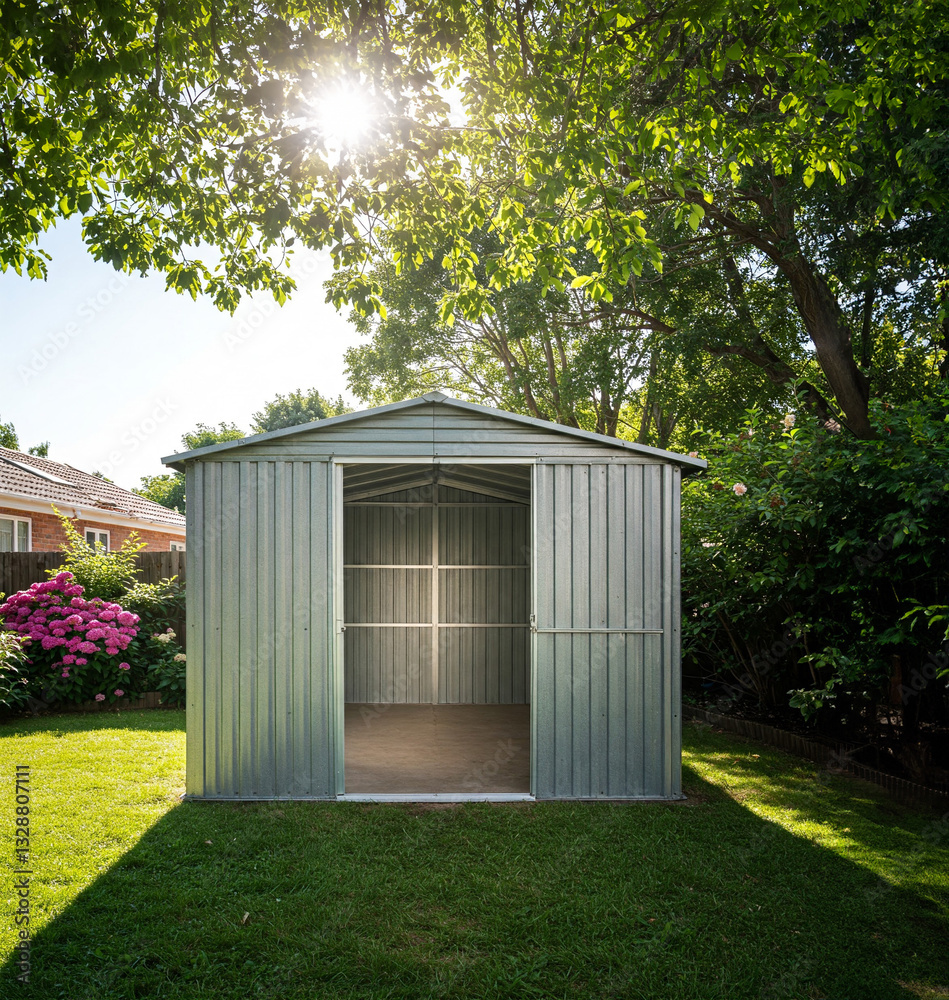
How to choose a metal shed: size, structure, and features that matter
A metal shed isn’t just a box, it’s a tool you’ll use for years. The best choice comes from measuring carefully and being honest about what you’ll store.
Before you shop, write a quick list: bikes, mower, bins, spades, patio cushions, kids’ toys, ladders. Then measure the biggest items, not just the space in the garden.
Pick the right size and layout for your garden and storage needs
Shed sizes can be misleading because the footprint (outside) and usable internal space aren’t the same. Metal sheds have frames, bracing, and sometimes sloped walls that steal a bit of room.
Start with the footprint you can spare, then check:
- Access routes: can you carry panels through a side gate, down steps, or past a narrow passage?
- Door clearance: hinged doors need swing space, sliding doors need clear tracks.
- Working room: if you want to wheel a bike in and turn it, you’ll need more width than you think.
- Height: tall items like strimmers, ladders, and racking need headroom, not just floor area.
As a rough guide, small metal sheds suit bins, garden chemicals, and a few tools. Medium sheds cope well with bikes and a mower. Larger sheds can work as a basic workshop if you add flooring, lighting, and storage.
Material and build quality: galvanised steel, thickness, frame strength
If you only remember one phrase, make it this: galvanised steel.
Galvanising means the steel has a protective zinc coating that helps it resist rust. In the UK, with damp winters and frequent rain, that coating matters. Some sheds also have a painted finish on top, which improves looks and adds another layer of protection.
Build quality comes down to three practical points:
Panel thickness: Thicker steel usually feels sturdier and resists dents. Very thin panels can flex and drum in wind and rain.
Frame strength: A solid internal frame helps the shed keep its shape, supports the roof, and helps doors line up. If your garden is exposed, prioritise the frame even if it costs a bit more.
Fixings and edges: Look for decent screws and capped or folded edges. It’s not just about safety (no sharp corners), it also reduces points where water can creep in.
Doors, roof shape, and airflow: features that affect daily use
A shed you dread using won’t stay tidy for long. The right doors and roof shape make daily life easier.
Doors
- Double doors are worth it if you store bikes, mowers, or bulky furniture. You’ll stop scraping handlebars and knuckles.
- Sliding doors save space in tight spots, but keep the track clear of grit and leaves.
- Hinged doors can feel more robust, but they need room to open fully.
Roof shape
- An apex roof (a peak in the middle) usually gives better headroom and can be helpful for hanging tools or adding shelves.
- A pent roof (single slope) can suit low fences and narrow spaces. It also makes it obvious which way water will run, handy when choosing where to place it.
Ventilation Metal sheds need airflow. Vents reduce trapped moisture, which helps protect tools from surface rust and stops that musty smell. If a model has no vents, you’ll likely need to add other condensation control, such as a lining, moisture absorber, or leaving a small air gap when safe to do so.
Security basics: locks, hinges, anchors, and where to place the shed
A metal shed can be very secure, but only if the weak points aren’t ignored.
Locking: A built-in lock point is useful, but the padlock matters. Choose a weather-resistant padlock, and avoid flimsy latch plates. If the shed has exposed hinges, look for hinge bolts or designs that can’t be lifted off easily.
Anchoring: A shed that isn’t anchored is easier to shift, and shifting can be all a thief needs to pop a door out of alignment. Use an anchoring kit, anchor bolts into concrete, or suitable fixings for your base type.
Placement: Put it where you’ll actually use it, but don’t hide it in a blind spot. A shed visible from the house, with a light nearby, often feels like less of a target. It also makes night-time access less of a faff.
Costs, installation, and ongoing care: what to expect in the UK
The shed price is only part of the bill. Delivery, a proper base, anchors, and basic shelving can change the final spend more than people expect.
Typical price ranges and what drives the cost
Prices vary by size, steel thickness, frame strength, and extras like windows, skylights, flooring, and better doors. As a broad guide for the UK, these are common ballparks for the shed alone.
| Metal shed type | Typical use | Typical UK price range (shed only) |
|---|---|---|
| Small (compact) | Bins, tools, cushions | £150 to £350 |
| Medium | Bikes, mower, mixed storage | £300 to £700 |
| Large | Heavy storage, basic workshop | £700 to £1,500+ |
What pushes the price up (and often improves day-to-day ownership):
- Thicker panels and a stronger frame, especially for windy gardens
- Better door hardware (wide openings, stronger tracks, better hinges)
- Improved coatings and corrosion resistance
- Included floor frame or heavier-duty base rails
- Brand reputation, often linked to clearer instructions and better spares support
If you’re choosing where to spend, pay for structure first. A sturdy frame and decent fixings usually beat fancy extras.
Do you need a shed base? Best base options and why they matter
A metal shed is only as good as what it sits on. A poor base leads to wobble, door alignment issues, water pooling, and early corrosion around the bottom edge.
A good base should be level, solid, and well-drained. Common UK options include:
Concrete slab: The most stable choice and great for larger sheds. It’s also ideal for anchor bolts. It costs more upfront and takes planning, but it solves a lot of problems.
Paving slabs: A popular middle ground. They can work well if laid level on a firm sub-base. Gaps can let damp rise, so consider how water will drain around the shed.
Treated timber frame with a solid surface: Useful on uneven ground, but it needs careful building and protection from splashback. Make sure the surface is rigid enough so the shed doesn’t twist.
Plastic grid bases: These can help with drainage and are easier to fit. They still need a flat, compacted layer beneath, and they suit lighter sheds best.
Two small details that matter: use a damp-proof membrane where appropriate, and keep the shed slightly raised so water doesn’t sit against the bottom panels after heavy rain.
Assembly and maintenance made simple: avoid rust, leaks, and condensation
A metal shed build goes smoothly when you treat it like flat-pack furniture that lives outdoors. Rushing is when doors go wonky and panels end up stressed.
Assembly checklist that saves hassle
- Lay out parts and fixings first, and check nothing is missing.
- Build on a calm day, wind turns panels into sails.
- Use the right tools, and don’t overtighten screws early.
- Square the frame before adding panels, measure corner to corner if you can.
- Tighten fixings evenly as you go, so the shed settles straight.
- Seal only where the instructions advise, extra sealant in the wrong place can trap water.
- Fit the anchoring kit at the end, then re-check after the first storm.
Low-effort maintenance that prevents bigger problems A well-made metal shed doesn’t need much, but it does like small check-ups.
Inspect for scratches and chips, then touch them up so rust can’t start. Keep vents clear, oil hinges if they squeak, and check bolts after winter gales. If the shed has gutters, clear leaves so water doesn’t overflow onto panels.
Condensation control, without overthinking it Ventilation is step one. After that, focus on habits: don’t store soaked kit, leave space around items for air to move, and keep boxes off the floor using pallets or shelving. If you’re storing anything that hates damp (power tools, paper packaging, fabrics), an anti-condensation lining or insulated layer can help, as can a simple moisture absorber in winter.
Conclusion
Metal sheds work best when you match the shed to your storage, not the other way round. Choose the right size, prioritise galvanised steel and a strong frame, plan ventilation, and don’t skimp on the base. Anchor it well for wind and security, then keep it ticking over with quick checks after bad weather. Your next step is simple: measure the space, list what you need to store, and compare sheds using those basics before you get distracted by extras.

Explore More Expert Buyers Guides and Reviews
For a list of our main buyers guides use the drop-down menu at the top of the page. Topics related to this article are:
Home and Garden Furniture Buyers Guides
Bedroom Furniture Buyers Guides
living Room Furniture Buyers Guides
Garden Furniture Buyers Guides
–
Explore Our Blog Categories for Expert Buying Advice
- AI Powered Product Finder Tools (25)
- Expert Buying Guides & Shopping Tips for UK Shoppers (1,462)
- Brands & Designer Products (Men, Women & Electronics) (293)
- Designer Fashion Brands: Buyer’s Guides & Reviews (166)
- Electronic Brands: Buyers Guides & Reviews (92)
- Apple Products Buyer’s Guides & Reviews (25)
- Brands – Phones, Laptops, PC”s, Tablets | Buyer’s Guides & Reviews (44)
- Electronics – Tablet & iPad Reviews and Buyers Guides (10)
- Kitchen Appliance Brands: Buyer’s Guides & Reviews (24)
- Laptop Brands & MacBooks Buyer’s Guides & Reviews (9)
- Phone Brands & iPhones Buyer’s Guides & Reviews (23)
- Car Buying & Financing Made Easy | Expert Guides for the UK (89)
- Clothing, Fashion & Accessories Buying Guides UK (510)
- Beauty, Health & Wellness | Perfume, Skincare, Makeup & Wellbeing Guides (187)
- Footwear: Trainers & Shoes Buyers Guides (49)
- Jewellery: Expert Reviews, Trends & Buying Guides (74)
- Men's Clothes — Buyers Guides & Reviews (39)
- Men’s Clothes, Fashion & Accessories Guides UK | Latest Trends & Smart Shopping (172)
- Women's Clothing Buyers Guides — Dresses, Tops & More (202)
- Women’s Clothes, Fashion & Accessories Guides UK | Latest Trends & Smart Shopping (449)
- Electronics, Tech & Gadgets: Reviews, Deals & Buying Guides UK (183)
- Furniture Buyer’s Guides | Home & Garden & Styling Tips (329)
- Bedroom Furniture Guides UK | Expert Tips & Best Value Deals (93)
- Garden Furniture, Landscaping & Garden Rooms Guides UK | Expert Tips & Best Value Deals (170)
- Garden Sofa & Sofa Sets Buyers Guides (11)
- Garden Tables & Chairs: Sets, Individual Tables & Seating Buyers Guides (58)
- Home Furniture, Décor & Interior Design Guides UK | Styling Tips & Inspiration (170)
- Living Room Furniture, Design & Décor Guides UK | Styling Tips & Inspiration (57)
- Sofa & Sofa Beds Buyers Guides (19)
- Sofa Beds Buyers Guides (7)
- Sofa Buyers Guides & Expert Advice (11)
- Holidays & Travel: Hotels, Villas & Flights (163)
- Home & Garden Improvements | Renovations & Outdoor Transformation Guides (106)
- Insurance & Protection: Travel, Landlord, Gadget & More UK (159)
- Gadget Insurance UK | Expert Guides, Reviews & Smart Protection Tips (33)
- Home Emergency Cover UK | Expert Guides, Reviews & Practical Protection Tips (21)
- Landlords Insurance UK | Expert Guides, Reviews & Smart Protection Tips (31)
- Travel Insurance UK | Expert Guides, Reviews & Money-Saving Tips (34)
- Pets: Guides, Tips & Inspiration (28)
- Brands & Designer Products (Men, Women & Electronics) (293)
- Gifts for Everyone: Ideas for Every Occasion & Budget (51)