Purina dog food can suit many dogs and household budgets, but the right choice depends on the individual recipe. Life stage, size, health and appetite matter more than the brand name alone.
Purina sells several ranges, with different formats and intended uses. A food labelled complete provides the nutrients required for its stated life stage when fed as directed; a complementary food cannot replace a balanced daily diet.
Comparing those labels, feeding amounts and daily costs gives a clearer picture than comparing bag prices. Feeding also sits within a wider responsibility for exercise, veterinary care and companionship.
Key Takeaways
- Purina’s ranges differ in recipes, formats and intended needs; no single range suits every dog.
- Complete food should match the dog’s life stage, whilst medical diets need veterinary guidance.
- Feeding guides provide starting portions; weight, body condition and activity determine adjustments over time.
- Daily feeding cost matters more than pack price, particularly when comparing wet and dry food.
- Responsible ownership includes fresh water, exercise, companionship and a budget for routine and unexpected veterinary care.
What Purina Dog Food includes, from everyday meals to specialist diets
Purina is a manufacturer with several dog food brands, rather than one standard recipe. Its UK ranges include Purina ONE, Purina Pro Plan, Bakers and BETA. However, availability and pack sizes vary between shops.
Purina ONE includes small-dog products. Purina Pro Plan offers life-stage and size-specific options, alongside the separate Pro Plan Veterinary Diets range. Bakers includes dry and wet foods, whilst BETA includes dry recipes for different ages and needs.
The practical advantages and limitations depend on the product being compared.
| Range | Potential advantage | Point to weigh up |
|---|---|---|
| Purina ONE | Small-dog options | Product size and feeding guidance must match the dog |
| PRO PLAN | Life-stage, size and targeted options | More choice requires careful recipe selection |
| Bakers | Wet and dry formats | Recipes and energy content differ |
| BETA | Dry options across life stages | Dry texture won’t suit every preference |
A label such as “hypoallergenic” doesn’t confirm a food suits a particular dog. Diets for renal or urinary conditions have specific purposes, so a vet should guide their selection.
Likewise, a more expensive product isn’t automatically a better choice for a healthy dog. Nutritional suitability, reliable intake and a healthy body condition are more useful measures than packaging or range positioning.
How to choose Purina food for every stage of your dog’s life
Age categories help narrow the choice, but dogs don’t grow or age at identical rates. Breed size, activity and health also affect feeding decisions.
Puppies need food designed for growth
Puppies need a complete and balanced growth diet suited to their expected adult size. It should support normal development, including healthy teeth and bones. Large breed puppies require particular care because excessive energy intake and unsuitable mineral levels can affect skeletal development. Supplements shouldn’t accompany a complete puppy food unless a vet recommends them.
Young puppies usually need several smaller meals throughout the day. The pack’s feeding plan provides a starting point, but growth and body condition need regular assessment. Base the transition to adult dog food on growth and expected adult size, rather than a fixed birthday.
A gradual change over roughly seven to ten days can reduce stomach upset. Some dogs need longer, particularly after digestive problems.
Adult and older dogs need individual adjustments
For adult dogs, a complete maintenance food should support a stable, healthy weight. An active working dog and a less active companion may need different amounts, even at the same weight.
Use the pack guide to set portions initially, then adjust them for weight control based on weight trends and body condition. Ribs should be easy to feel beneath a light covering of fat, with a visible waist.
A senior dog doesn’t automatically need a senior formula on a particular birthday. However, changes in activity, weight, chewing ability or health justify a diet review. A vet can assess whether a senior recipe or another approach is appropriate.
Fresh drinking water should remain available throughout every life stage.
How Purina dry and wet food compare, and how to read the label
Dry dog food and wet dog food can both provide a suitable diet when each is complete and appropriate for the dog. The practical differences concern moisture, texture, storage and energy concentration.
Format changes the feeding routine
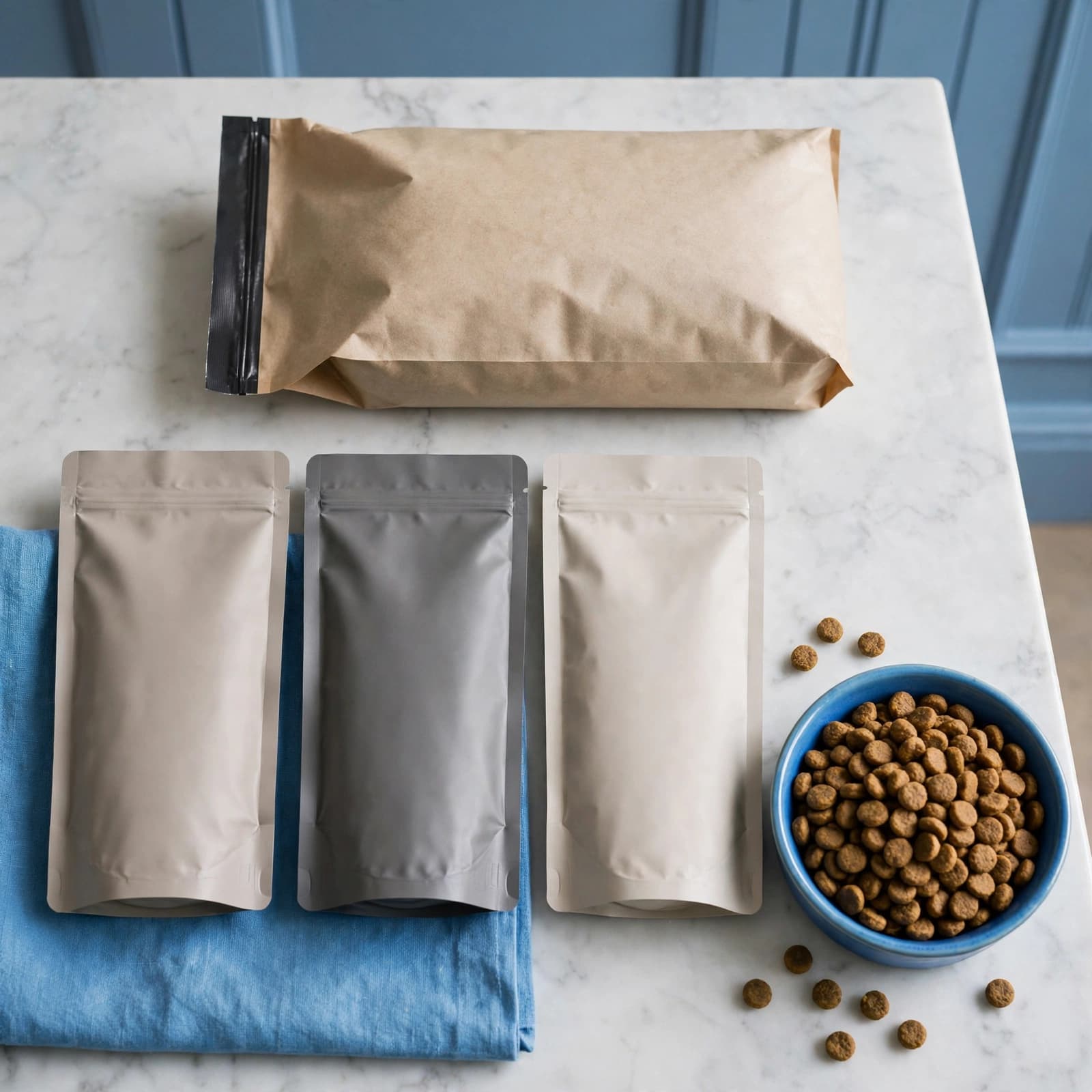
Dry food is convenient to weigh and store, provided the packaging stays properly closed. Because it contains less water than wet food, a smaller serving weight can supply substantial energy.
Wet food has a softer texture and higher moisture content. Some dogs prefer it, although opened packs need storage according to their instructions, often in the fridge.
Mixed feeding is possible, but both foods contribute calories. Adding a full wet-food allowance to a full dry-food allowance risks overfeeding.
Equal weights of wet and dry food don’t provide equal calories. Daily cost comparisons need to use the recommended feeding amounts.
Labels explain what the meal provides
The label should identify the intended life stage and whether the product is complete or complementary. Feeding guidance then sets out portions, usually by body weight and sometimes activity.
Ingredients describe the recipe. Analytical constituents report measures such as protein, fat, fibre and ash; ash means mineral content, not added fireplace residue. Calorie information, where supplied, helps with portion comparisons.
Ingredient order alone cannot establish overall quality. Fresh meat contains water, whilst dried ingredients are more concentrated, so simple rankings can mislead.
Persistent changes in digestion, such as vomiting or diarrhoea, need veterinary assessment, especially for a dog with a sensitive stomach. Ongoing itching or other signs of sensitive skin also need a vet’s advice. Repeatedly changing recipes or choosing a therapeutic diet without guidance can complicate diagnosis.
What Purina dog food costs and how to shop online in the UK
Purina dog food prices vary by recipe, pack size and seller. Promotions, delivery charges and subscriptions also change the final bill, so a fixed brand-wide price would be misleading.
Compare the cost of feeding each day
Price per kilogram is useful when comparing different packs of the same food. However, comparisons between recipes also need the dog’s daily portion.
The calculation is straightforward: multiply the price per kilogram by the daily serving in grams, then divide by 1,000. For mixed feeding, calculate each component separately and add them together.
This gives a more useful comparison than the bag price. A cheaper kilogram doesn’t guarantee a cheaper day when the recommended portion is larger.
Match the listing to the intended food
An online order should specify the exact recipe, life stage and pack weight. Similar packaging can conceal differences between puppy, adult and size-specific products. The listing should also identify whether the food is complete.
Delivery fees, minimum orders and subscription cancellation terms belong in the comparison. Introductory discounts can make the first delivery cheaper than later orders.
Larger packs save money only when the household can use the contents within the storage guidance. Food should arrive in intact packaging and remain cool, dry and protected from pests. Keeping the original pack preserves the batch details and feeding instructions.
The essentials every dog needs beyond its food bowl
A suitable food cannot compensate for unmet exercise, social or medical needs. Dogs need care throughout their lives, including periods when illness or ageing changes the household routine.
Ownership requires time and financial capacity
Dogs are best suited to households able to provide daily companionship, exercise, training and dependable care. Breed tendencies matter, but health and individual temperament also shape those needs.
Routine spending extends beyond food to preventive veterinary care, grooming and dental care. Unexpected illness can create substantial costs, so insurance or another realistic funding arrangement deserves consideration.
Puppies need patient house-training and safe socialisation. Meanwhile, older dogs may need shorter walks, easier access to resting places and more frequent health reviews.
Useful equipment should match the dog
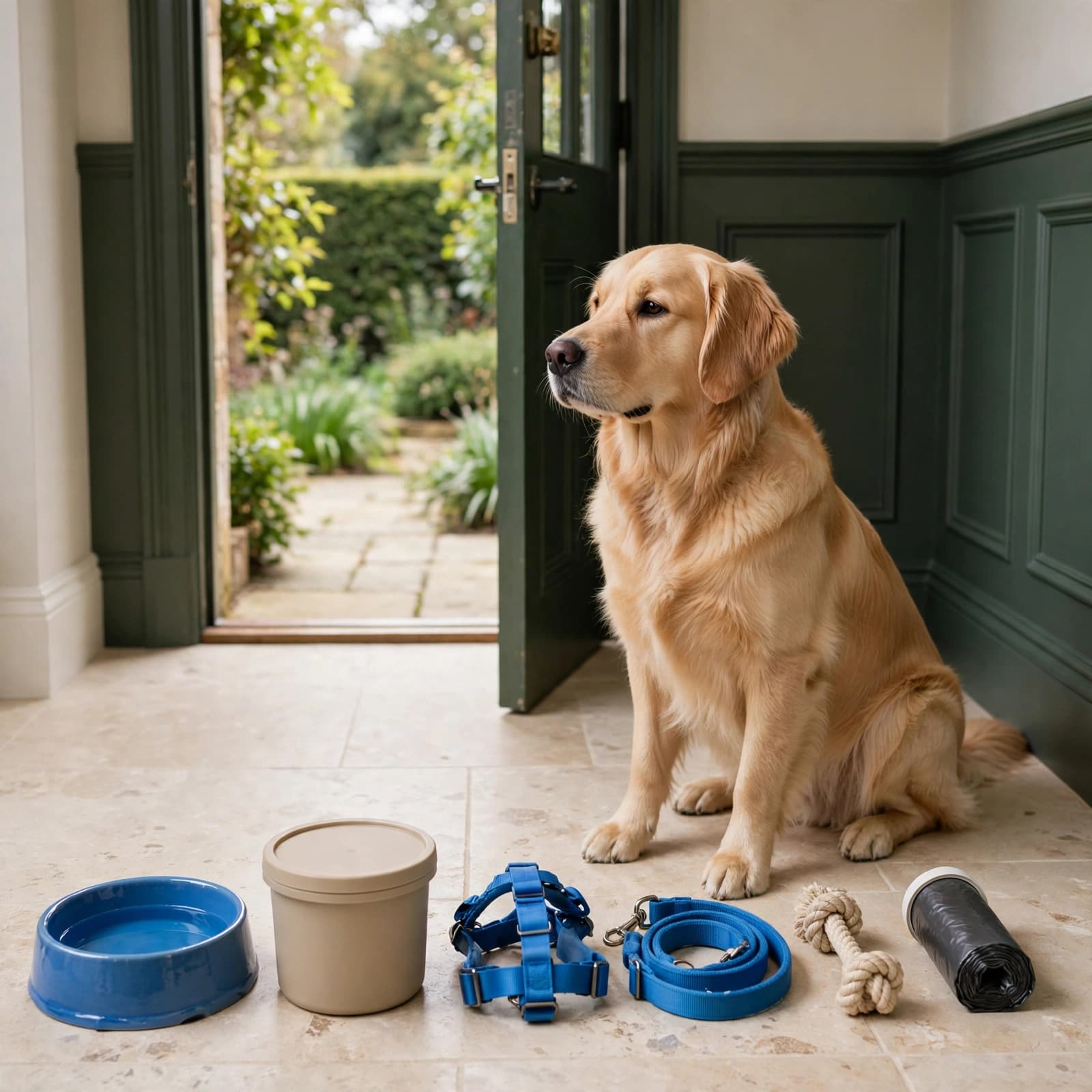
The basics include washable food and water bowls, a sturdy food-storage container and a way to measure portions. Kitchen scales give more consistent amounts than judging a scoop by eye.
A properly fitted collar or harness, lead, suitable toys, bedding and waste bags support everyday care. Grooming equipment should suit the coat, whilst toys need an appropriate size and level of supervision.
Online shopping for these items should centre on dimensions, materials and cleaning instructions. A harness needs relevant body measurements; a food container needs enough capacity without encouraging unnecessary bulk buying.
A vet can help with weight, dental disease, recurring digestive problems and other health concerns.
Frequently Asked Questions
Who owns Purina?
Purina is part of Nestlé. However, ownership alone doesn’t establish whether an individual recipe suits a dog; its nutritional purpose and feeding guidance remain the relevant details.
How many treats can accompany a complete diet?
A common veterinary guideline limits treats and other extras to no more than 10% of daily calories. The remaining intake should come from complete food, with meal portions adjusted accordingly. Training rewards count towards that allowance.
Can a dog eat cat food?
An occasional stolen mouthful isn’t usually a nutritional emergency for an otherwise healthy dog, although it may cause digestive upset. Cat food isn’t suitable as a dog’s regular diet because it is formulated for a different species. Eating a large amount or developing symptoms warrants veterinary advice.
What if a dog suddenly refuses its usual food?
A sudden appetite change can accompany pain, dental problems or illness, rather than boredom with a recipe. Refusal alongside vomiting, lethargy or other symptoms needs prompt veterinary attention. Puppies and dogs with existing medical conditions need particular caution.
Should two dogs share a food bowl?
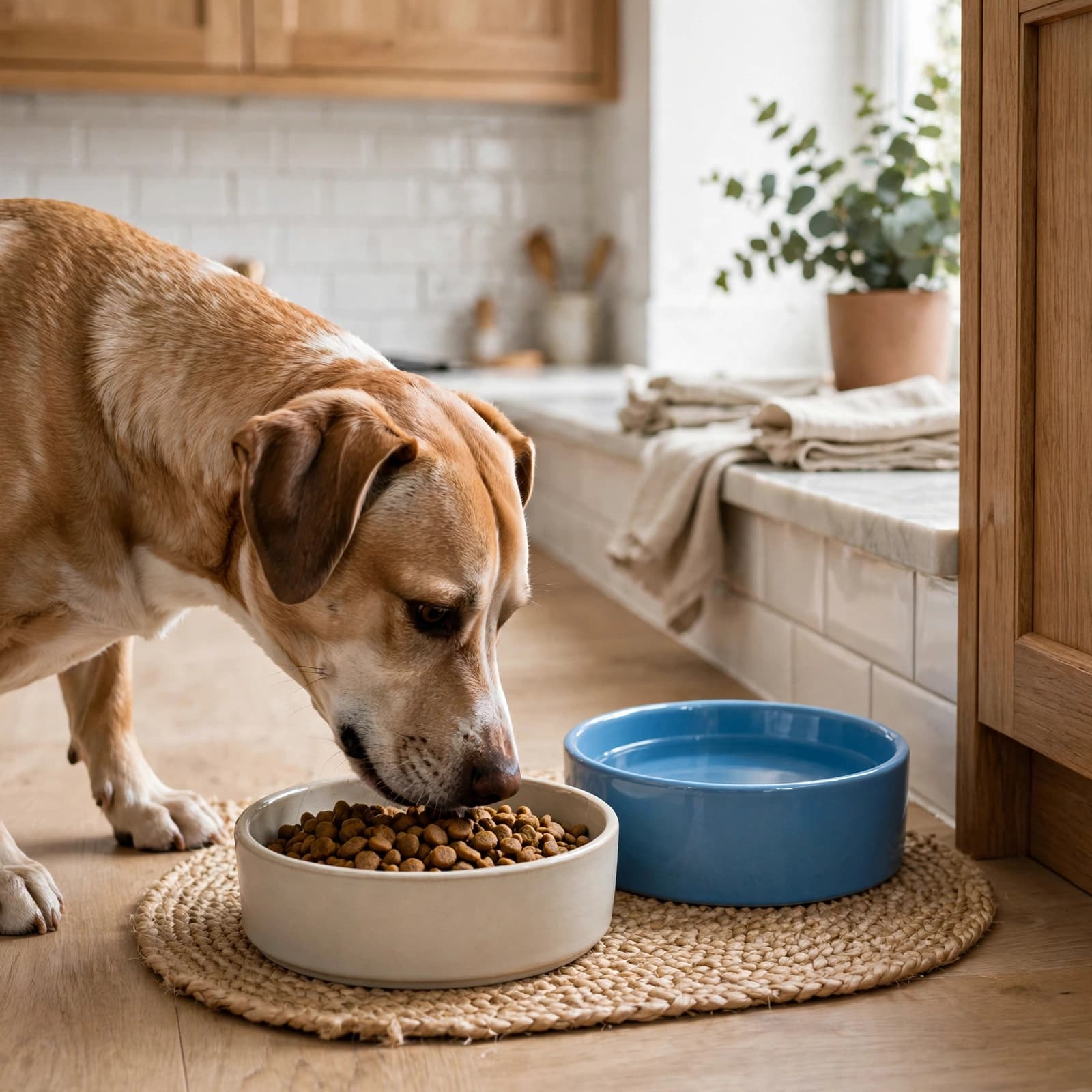
Separate bowls make it easier to measure individual intake and notice appetite changes. Feeding dogs apart can also reduce competition or food guarding. Different ages, body sizes or medical needs may require entirely separate diets.
A sensible diet is part of lifelong care
The strongest choice depends on the individual dog: its life stage, health, appetite and feeding routine, alongside a sustainable household budget. Purina’s range offers options, but a brand name cannot settle those questions alone.
The label and feeding guide support everyday decisions. A vet is the right source for health-led diet changes and concerns about growth or weight.
Responsible feeding depends on consistent care, with suitable portions, fresh water and attention to changes over time. The food bowl is one part of that lifelong commitment.

Explore our Buyers Guides and Reviews
For a list of our main buyers guides use the drop-down menu at the top of the page. Topics related to this article are: