Quick verdict: buy a dress that suits the invitation, feels comfortable for a full day and has a realistic chance of being worn again. The challenge with wedding guest dresses is finding that balance without paying for details that look lovely in photographs but feel awkward by the speeches.
A good choice starts with the couple’s plans, then comes down to fit, fabric and what you can comfortably spend. This UK guide to occasionwear will help you weigh dress codes, shop online with confidence and finish wedding guest outfits for the setting.

Key Takeaways
- Let the invitation and venue guide your outfit, but follow any preferences the couple states directly.
- Choose a silhouette you can sit, walk and dance in, rather than shopping by body-type rules.
- Check measurements, fabric composition and construction before relying on a photograph or familiar UK size.
- Compare the full cost of an online purchase, including alterations, care and possible return postage.
- Plan shoes and layers around the weather, the ground underfoot and the dress’s potential for repeat wear.
Dresses for Wedding Guest: Choose a Look That Suits the Day
The invitation is your starting point when choosing wedding guest dresses. It may name a dress code, suggest a colour theme or offer clues through the venue and schedule. If the couple provides guidance, follow it before turning to general wedding etiquette.
Read the dress code, venue and invitation clues
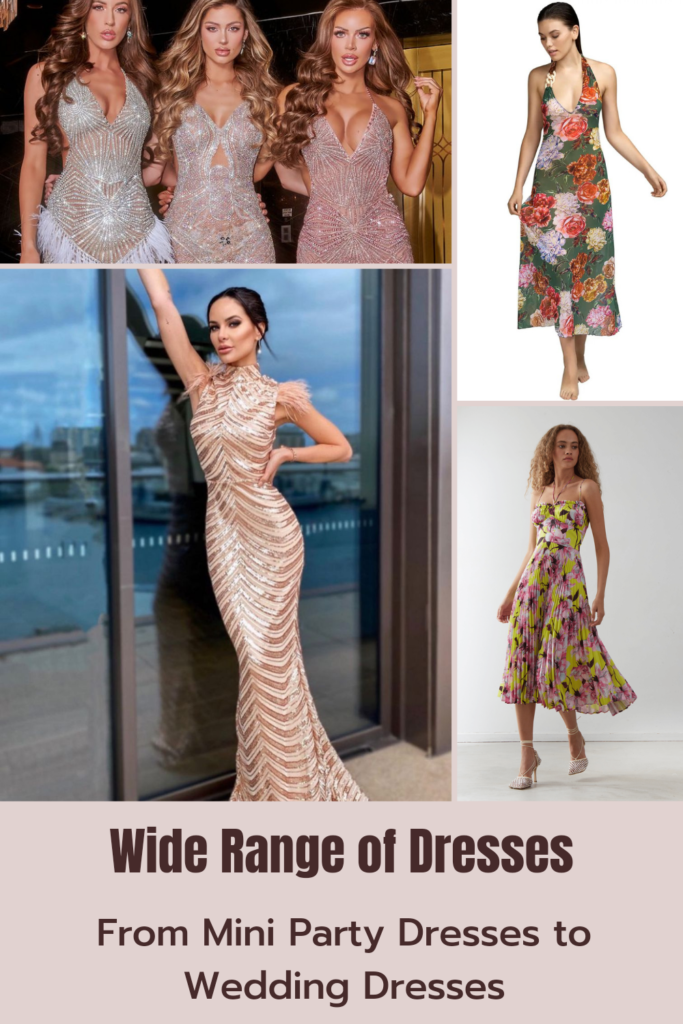
Black tie usually calls for evening wear, with a full-length maxi dress a reliable option. For formal celebrations, elegant dresses in midi lengths can work well. Cocktail often suits polished party dresses, from a knee-length mini dress to other midi dresses. Smart-casual allows simpler fabrics and more relaxed shapes.
Treat these descriptions as guides, not rigid rules. For a relaxed daytime wedding followed by a garden meal, a well-cut midi may be more useful. The invitation and venue should guide your choice of length and style.
When no code appears, consider the ceremony, venue and time of day together. A floral printed maxi dress or pleated maxi dress could suit an evening reception at a grand hotel. A satin wrap midi dress may work better for a more relaxed celebration. If you’re still unsure, ask the couple or someone in the wedding party discreetly. Cultural or religious expectations may also affect neckline, sleeve or hem choices, so take any guidance seriously.
Dress for the season and setting
For a warm-weather wedding, breathable cotton or linen blends can feel cooler than heavy, fully synthetic fabric. A lightweight chiffon dress is another option, though it may need lining for coverage. Linen creases easily, so check that its finish looks smart enough for the occasion.
In colder months, velvet and some wool blends offer more warmth and substance. A smart coat or wrap still matters, as UK temperatures can shift between an outdoor ceremony and an evening reception.
Think about the route through the venue, too. A trailing hem can pick up moisture on grass, whilst narrow heels may sink into a lawn. A dress you can lift easily over steps and uneven paths is often the better buy.
Find a Flattering Fit, Fabric and Colour
A dress should work whilst you’re seated, moving and eating, not only whilst you’re standing still. Judge its fit by how you want to feel in it and what the day asks you to do.
Choose a silhouette that feels comfortable
An A-line dress gives the skirt room to move. A satin wrap midi dress lets you adjust the waist, but check it stays closed when seated. Shirt dresses often feel less restrictive, whilst a sheath has a closer, more structured line.
An asymmetric midi dress offers another option. A maxi dress gives coverage, but check its length with your shoes. A floral printed maxi dress or pleated maxi dress can add movement and texture.
Waist placement changes how a dress feels, especially when you sit. So do sleeves, necklines and straps. If you need a particular bra, check that it works with the dress before committing. No shape is universally flattering; the right one respects your preferences.

Check measurements, fabric and finishing
Measure your bust, waist and hips, then compare them with the dress’s size chart. A familiar UK size isn’t a dependable shortcut because cuts and measurements vary. Check garment length as well, particularly if you’re petite or tall, and compare measurements across size ranges, including plus size options.
Fabric affects how a dress drapes and feels. A satin midi dress, for instance, may move differently from a structured woven style. Fitted woven fabrics need enough ease for sitting and walking; stretch adds flexibility but won’t fix a poor cut.
Look closely at seams, lining, fastenings and the care label. Pulling at a zip or puckering around seams can show where a dress is under strain. A tailor can shorten a hem or adjust a waist, but allow for that cost.
Pick colours and prints with wedding etiquette in mind
White, ivory and shades close to the bridal outfit are usually best avoided unless the couple says otherwise. Black can work, especially for an evening celebration; bold colours, pastels and prints can all look appropriate.
Use the dress code and the couple’s preferences as your guide. For a mostly white print, check how it reads at a distance before deciding.
Buy a Wedding Guest Dress Online With Confidence
Online shopping makes it easier to compare cuts, lengths and fabric compositions across a wider selection of wedding guest dresses. You may also find a better price, but can’t judge drape or comfort properly until the dress arrives.
- The upside is more choice across sizes, styles and budgets, without relying on what one shop has in stock.
- The risk is paying delivery or return costs if the colour, fabric or fit differs from your expectations.
Compare quality, price and cost per wear
Set a dress budget before browsing, then allow for shoes, alterations and cleaning if needed. Thin fabric, weak seams or a flimsy fastening can make a bargain disappointing. A pricier dress should justify its cost with better construction or a cut you’ll wear again.
Check the fibre composition and care instructions. Silk can drape beautifully but may need specialist care. Cotton can feel breathable, yet crease easily. Lining can improve opacity and comfort, although it may add warmth.
Cost per wear is the purchase price divided by the number of times you use the dress. For occasionwear, a £120 dress worn six times costs £20 per wear, while a £60 dress worn once costs £60. That doesn’t mean you should overspend. It means repeat wear belongs in your decision.
Use size charts, reviews and return policies wisely
Look for garment measurements and fit notes rather than automatically choosing your usual size. Reviews are most useful when several buyers mention the same issue, such as a short bodice, sheer fabric or tight sleeves.
Before paying, check the return deadline, postage charges, refund method and sale-item terms. UK online purchases generally have cancellation rights, but exceptions can apply, including for some personalised items. Read the terms rather than assuming every dress can go back.
Order early enough to try it on with your intended bra and shoes. Walk around in it and allow time for alterations. Keep the tags attached until you’re sure.

Complete the Outfit and Make the Dress Work Harder
Once the dress fits, test the entire outfit against the day’s practical demands. Shoes and layers can change how formal it looks, but they also decide how comfortable you’ll be several hours later.
Choose shoes, layers and accessories for comfort
Slim heels can suit an indoor evening reception, but block heels or dressy flats are easier on grass and uneven paving. Dressy sandals may work in warmer weather if they stay secure on your feet. Wear your chosen pair around the house before the wedding, particularly if they’ll be new.
A wrap suits a cool ceremony without hiding the dress all day. For colder weather, choose a coat long enough to sit comfortably over the hem. Keep jewellery restrained if the dress has sequins, beading or a busy print; a plain dress can take a stronger earring. A small bag should still hold your phone, keys and essentials.
Style the dress for another occasion
Repeat wear is easiest when you choose a cut you’ll enjoy beyond the wedding. A floral printed maxi dress might suit a meal with flat sandals and a denim jacket. A pleated maxi dress can be restyled with different shoes and jewellery.
A satin wrap midi dress could work for dinner, while a floral dress may suit a relaxed party. If you don’t want a dress, a wide leg jumpsuit is another option; some party dresses can be harder to rewear.
If versatility matters, consider whether the neckline, fabric and care requirements suit those plans. Buying one dress you’ll gladly wear again often beats choosing a cheaper outfit that only makes sense for a single invitation.
Frequently Asked Questions
Can you wear black to a wedding in the UK?
Yes, black is often acceptable, particularly for an evening or formal event. Consider the couple’s wishes and the mood of the celebration before choosing it. Colourful accessories can make a plain black dress feel more festive if that suits your style.
What should you wear when the invitation gives no dress code?
Use the venue, ceremony style and time of day to choose a level of formality. A polished midi often sits comfortably between casual and formal, but it isn’t a universal answer. If the setting leaves you uncertain, check discreetly with the couple or wedding party.
How early should you buy a wedding guest dress?
Give yourself enough time for delivery, a proper try-on and any tailoring, rather than ordering for the week of the event. Allow extra time if your size or preferred style is hard to find. Trying on the complete outfit early also gives you time to change uncomfortable shoes.
Can you wear the same dress to more than one wedding?
Absolutely. The hosts, dress codes and settings matter more than whether you’ve worn it before. A different jacket, pair of shoes or set of accessories can help the outfit suit each occasion without another dress purchase.
Choose the Dress You’ll Enjoy Wearing
The best wedding guest dresses follow the couple’s guidance while still feeling like you. Prioritise a comfortable fit, inspect the fabric and finishing, and check return terms before buying online. Choose shoes and layers for the venue, not just the photograph.
Whether you choose a maxi dress or a shorter cut, it should feel comfortable all day and work with pieces in your wardrobe afterwards. That’s good value as well as a confident choice.
–
–
–
Compare Prices Website Home Page