Enterprise Car Rental can suit your trip if its collection point, vehicle group and full rental cost match your plans. The strongest comparison starts with the total price, including the conditions that affect what you’ll pay and how easily you can travel.
A family holiday, temporary replacement car and business journey each need a different balance of space, flexibility and cost. We weigh Enterprise’s vehicle choices, rental terms and generic alternatives without assuming one option suits everyone. Start with the practical fit before comparing daily rates.
This post may contain affiliate links. If you make a purchase through these links, I may earn a small commission at no extra cost to you.
Key Takeaways
- Compare the full rental price for identical dates, collection points and vehicle groups, rather than daily rates alone.
- Choose enough passenger and luggage space, and treat an advertised model as illustrative unless the booking guarantees it.
- Understand the excess, deposit and payment conditions before committing money.
- Factor in branch opening hours, fuel rules, mileage allowances and return arrangements.
- Consider car clubs, peer-to-peer hire or public transport when you don’t need a conventional rental throughout your trip.
The Quick Verdict: Is Enterprise Car Rental Right for You?
The company is worth considering when you need conventional car hire with airport or neighbourhood collection options and several vehicle categories. Its value depends on the complete quote, suitable branch hours and rental conditions that fit your journey.
Branch choice is a practical strength. A neighbourhood location may suit a replacement car, whilst an airport branch can work better after a flight. However, travel between your home, terminal or station and the collection point still costs time.
Vehicle choice also helps, particularly when you need an automatic or more luggage space. Availability varies, though, and a vehicle category doesn’t necessarily promise one particular model.
The main drawbacks to weigh are financial and contractual. Optional protection, extra drivers and return arrangements can change the total. A convenient branch can justify a higher rate, but only when its opening hours match your itinerary.
What Enterprise Car Rental Offers in the UK
Its UK Car & Van Hire range includes small cars, larger passenger cars and SUVs. Manual and automatic options are available across parts of the fleet. Available categories and equipment depend on the location and booking.
Match the car size to your journey
Small cars generally make parking easier and can use less fuel, although efficiency depends on the actual vehicle and route. Larger cars offer more room, but an SUV’s exterior size doesn’t guarantee a bigger boot than an estate.
Compare passenger capacity with usable luggage space. A seven-seat vehicle may leave limited room for bags when every seat is occupied. Likewise, an automatic removes clutch operation in traffic, but its price and availability may differ from a manual.
For a city trip to Leeds, check parking and access near Victorian-era attractions before choosing a larger vehicle. Child seats and other equipment can add costs. Treat listed features as specifications for the booked group, not promises about every individual car.
Check collection points and rental conditions
Check opening hours, access arrangements and vehicle availability at the specific rental branch. Airport and neighbourhood locations can differ. A cheaper collection point may lose its advantage once you add the journey there.
Age eligibility, licence requirements and permitted vehicle groups are part of the rental conditions. Additional drivers also need authorisation and may attract a charge.
For vehicle quality, the individual car matters more than a fleet photograph. At handover, assess cleanliness, visible condition and whether the supplied space and transmission match your booking.
How the Rental Works, from Booking to Return
A reliable booking process links your itinerary to a clear rental agreement. Keep the confirmation accessible, including any extras you’ve selected.
- Set your dates and collection point. Enter realistic pick-up and drop-off times, allowing enough time to travel to and from the rental branch.
- Compare suitable vehicle groups. Match transmission, seating and luggage capacity to your journey, then review the full quote.
- Make a reservation after checking the final quote and rental conditions. Confirm the payment requirements, cancellation terms, mileage allowance and return arrangements.
- Collect the car with the required documents. Bring the licence, payment method and any identification specified for your reservation.
- Inspect and return it as agreed. Record its starting condition, then follow the agreed fuel, location and timing requirements.
Before leaving, photograph existing marks, wheel damage and the fuel gauge. Ask for discrepancies to appear on the condition report, because photographs and paperwork provide a clearer record together.
At return, take photographs of the car and fuel level again. Keep any fuel receipt and obtain a return record where available. For out-of-hours returns, follow the agreed parking and key-drop instructions. The terms determine when responsibility ends.
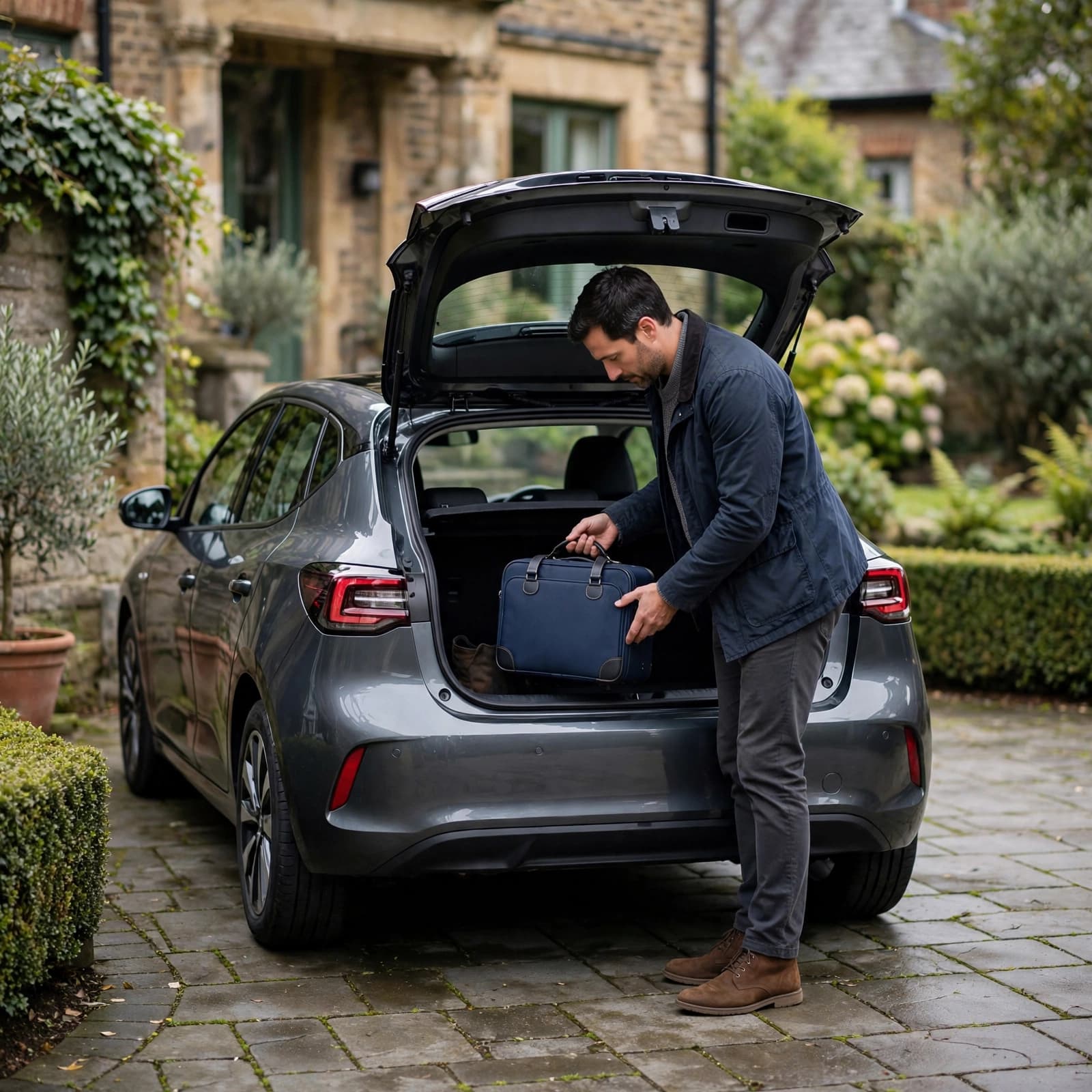
How to Compare Enterprise Car Rental with Other Rental Options
Compare quotes for the same dates, times, collection area and vehicle class. Otherwise, differences in the itinerary can look like differences in value.
Compare the total cost, not just the headline rate
The relevant figure is the total payable for your intended booking, including taxes and unavoidable charges. Optional extras belong in the comparison when you’ll need them.
Additional-driver fees, equipment and any applicable young-driver charges can alter the result. Payment conditions matter too: money held as a deposit reduces your available balance or card limit during the trip. Check current Enterprise Plus terms and whether any eligible benefits affect your quote. Don’t assume they’ll provide a discount.
Cancellation flexibility also has value. A cheaper prepaid booking can cost more overall if your plans change and its cancellation terms are restrictive.
Understand insurance, excess and deposits
Cover describes which risks the agreement protects against. The excess is the amount you may remain responsible for under that protection after damage or theft, subject to the terms.
Exclusions matter because some charges may sit outside that protection. Read the treatment of tyres, glass, keys and incorrect fuel rather than assuming every incident receives identical cover.
A deposit is security held against potential charges. It isn’t the same as the excess, and its release needn’t appear immediately in your account.
Separate excess insurance doesn’t, by itself, remove the hire company’s deposit requirement.
Check fuel, mileage and return rules
A full-to-full fuel policy requires you to return the car full. Other arrangements can involve prepaid fuel or refuelling charges, so compare what you’ll use and pay.
Mileage limits matter on longer journeys. Return location, out-of-hours responsibility and late-return charges can also outweigh a modest daily-rate saving, particularly when a flight or meeting dictates your schedule. Check whether roadside assistance is included and whether support is available 24/7, as both depend on the agreement.
Book Online for More Choice and a Clearer Comparison
Online booking lets you compare vehicle groups and branches at your own pace. You can also see whether changing collection times or choosing another location changes the total. Check whether any applicable Enterprise Plus benefits appear in the booking details, but don’t assume they’ll reduce the price.
This makes price differences easier to understand, but booking online doesn’t guarantee a lower price. Availability and rates can change, and a cheaper quote may come with less flexible cancellation conditions.

Check the Enterprise Rent-A-Car App’s current functions before you Download the App to your mobile device. It may offer booking tools or directions to your chosen collection point, but don’t assume these features are available.
Keep the comparison consistent. Adding protection to one quote but leaving another unchanged produces a misleading result.
Before paying, read the final booking summary rather than relying on an earlier search result. The selected branch, dates, vehicle group and extras should match your plans. Save the confirmation and cancellation conditions so you have a record of the booking you accepted.
Alternatives to Consider and What to Avoid
Conventional hire works well when you need continuous access to a car. However, paying for a vehicle to sit parked throughout your stay can offer poor value.
Top Alternative Options to Consider
A car club can suit short local journeys because bookings often work by the hour. Membership requirements, nearby vehicle availability and mileage charges affect whether it beats daily hire.
Peer-to-peer rental can offer a more particular vehicle choice. However, handover arrangements, cancellation protection and insurance terms need the same attention as the car itself.
Public transport and taxis can suit city breaks to see Victorian-era architecture when parking is difficult or costly. Compare the combined fares for everyone travelling, rather than one person’s ticket against the entire rental bill.

What to Avoid
Avoid quotes that leave mandatory fees unexplained or describe damage liability vaguely. Fuel terms should match across the quote, confirmation and agreement.
Pressure to accept unfamiliar extras is another warning sign. Added protection should have a clear price and explanation of what it changes, including any remaining exclusions.
Frequently Asked Questions
What do I need to bring to collect a hire car?
Bring the driving licence and payment method required by your booking, plus any requested identification or address documents. For a Great Britain licence, a DVLA check code may also be required; the code lasts 21 days. Requirements vary by licence origin and reservation, so the document list in your confirmation matters.
Can I return an Enterprise hire car to a different branch?
One-way returns can be available, depending on the locations, vehicle and booking. A different return branch may change the price or attract a fee. Arrange it within the reservation rather than treating another Enterprise location as an interchangeable drop-off point.
Is the car shown online the exact car I will get?
Usually, the pictured vehicle illustrates a category rather than a guaranteed model. Wording such as “or similar” allows another vehicle within the booked group. A precise make or model is only assured when the booking explicitly guarantees it.
Will I have to pay a deposit or excess?
Deposit and excess conditions depend on the reservation and protection selected. A deposit can temporarily reduce your available funds without becoming a final charge. The agreement states the amount and payment requirements, whilst bank processing can affect when released funds become available.
What should I do if the car breaks down?
Check your agreement for the roadside assistance contact process, what the service covers and whether support is available 24/7. Arrangements vary, and assistance isn’t automatically included.
Choose the Rental That Fits the Whole Trip
The service deserves consideration when its vehicle choice and branch access fit your plans. The decision rests on the complete agreement, including the money committed and the practical demands of collection and return.
Compare equivalent quotes, then read the final booking details before paying. The right choice gives you suitable transport with manageable liability and convenient arrangements. A low daily rate offers little value if Enterprise Car Rental’s wider terms don’t suit your journey.