A sheath dress can be a worthwhile, versatile buy when its fit, fabric and intended use suit your wardrobe.
These close-fitting dresses usually get their shape through darts or seams, but their structure, stretch and coverage vary considerably. If you’re choosing between office wear and an occasion outfit, comfortable movement matters as much as appearance.
For UK shoppers, changing size charts and unclear fabric descriptions can make online choices harder than they look. Start with the silhouette, then check fit, construction, styling options and the full cost before deciding which dress deserves a place in your wardrobe.
Key Takeaways
- Choose a dress that follows your shape without pulling, gaping or limiting comfortable movement.
- Compare bust, waist and hip measurements with each maker’s size guide rather than relying on your usual UK size.
- Fabric weight, lining and construction affect comfort as much as fibre content.
- Judge value through repeat wear, alterations and care costs, alongside the purchase price.
- Online shopping broadens choice, but check product details, delivery charges and return conditions before ordering.
What makes a sheath dress different, and who might enjoy wearing one?
Recognise the cut before you choose a style
A sheath dress has a relatively narrow outline that follows the body, usually with gentle shaping through the waist. Unlike a full-skirted design, its hem stays fairly close to the hips rather than flaring widely.
Darts fold fabric into shape, whilst princess seams create shaping through longer curved panels. However, a fitted waist doesn’t require a visible waist seam.
Lengths range from mini to midi and beyond. Sleeveless, short-sleeved and long-sleeved versions offer different coverage. Meanwhile, lining adds substance, and a back vent can provide more room for walking.
Compare sheath, A-line and bodycon dresses
An A-line dress widens towards the hem, usually giving more space around the thighs. Shift dresses typically have a straighter, less shaped fit, while sheath dresses follow the body’s outline more closely.
Bodycon dresses generally have a figure-hugging fit and often rely on stretchy fabric. A pencil dress also has a narrow silhouette, while a pencil skirt is a related outfit option, not a type of dress.
Shift dresses can feel easier to move in than a sheath cut, which needs enough room for sitting and walking. However, the boundaries overlap, so the product description and measurements matter more than the label.
Choose according to the feel you enjoy. There’s no body shape that qualifies or disqualifies you from wearing a sheath. If you like clean lines without a strongly compressive fit, a gently shaped version is worth trying.
How should a sheath dress fit across the body?
Check the shoulders, bust, waist and hips
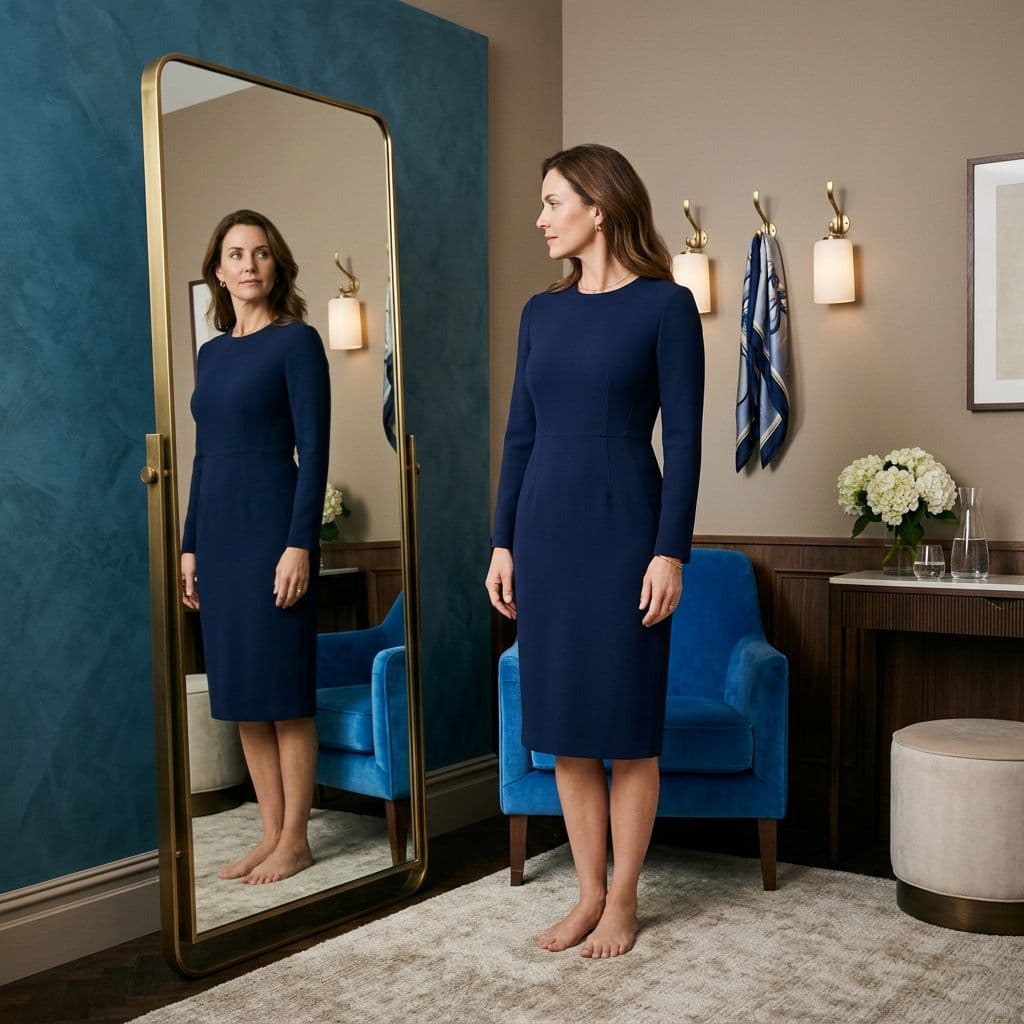
Shoulder seams should sit comfortably without dragging towards the neck or slipping down the arms. Across the bust, look for smooth fabric rather than horizontal strain lines. The neckline should lie flat without gaping.
Measure your fullest bust and hips, plus your natural waist, using a level tape that doesn’t squeeze. Record these in centimetres and compare them with the size guide, as UK sizes vary.
Choose a size that accommodates all three measurements. A tailor may adjust a roomy waist, but letting out tight hips depends on the available seam allowance.
Choose a length and neckline that feel comfortable
Mini, knee-length and midi hems offer different coverage, but their position changes with your height and proportions. Check the stated garment length rather than relying on a model photograph.
Also consider bra coverage, especially with a sleeveless dress, and whether sleeves allow you to raise your arms. A high neckline can feel restrictive if the shoulders fit poorly. Your plans and comfort should guide these choices, rather than a trend.
Try the dress in motion before deciding
Sit down, walk briskly, reach forward and take a few steps upstairs. The dress should allow these movements without constant adjustment.
Check that the zip lies flat, the vent opens comfortably and underwear doesn’t show through in daylight. Woven dresses need ease, meaning extra room beyond your body measurements.
A stretchy outer fabric won’t provide unrestricted movement if the lining underneath is too tight.
Which fabrics and details make a sheath dress comfortable and durable?
Fabric descriptions help narrow your choices, but the finished garment tells you more than the fibre name alone.
Match the fabric to the season and setting
Cotton and linen can suit warmer days, although heavier weaves still feel substantial. Linen creases readily, so choose it if a more relaxed finish suits your plans.
For cooler weather, consider heavier woven fabrics, wool blends or wool double-face, depending on the structure you want. A lined dress adds coverage, but its lining can also affect breathability.
Silk crêpe can feel smooth and drape softly, whilst structured crepe can hold a clean shape. Flowing fabrics may create a softer outline, while stretch blends offer some give. Recovery matters too, as fabric that stays stretched after wear may lose its shape. Assess thickness, flexibility and opacity alongside composition.
Inspect the finish, lining and care label
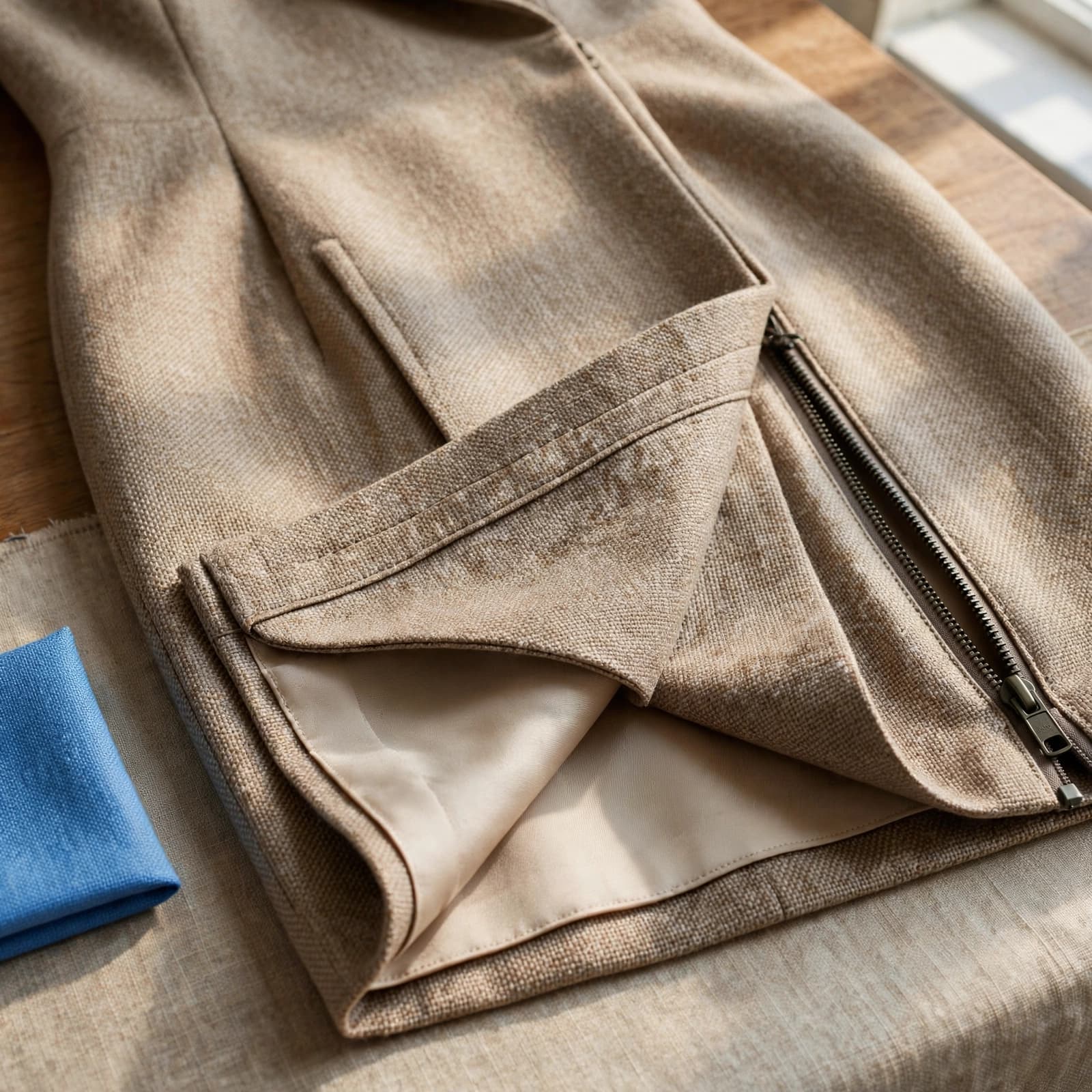
Look for even stitching, secure seam ends and a level hem. Puckering around the zip or twisting side seams deserve closer inspection.
Run the zip gently to check for snagging. Inside, the lining should hang freely without pulling the outer dress out of shape. Also inspect the vent, where repeated movement puts pressure on stitching.
Care requirements affect value. Dry-clean-only garments bring recurring costs, whilst washable options still need the stated temperature and drying method. Follow the label, and avoid storing a dress damp or compressed amongst tightly packed clothes.
How to style a sheath dress for work, weddings and everyday plans
A simple silhouette gives you styling options, but colour, fabric and coverage determine how far one dress can travel.
Build a polished work or interview outfit
For business wear, try a navy or charcoal sheath with a simple blazer, small earrings and loafers. Comfortable court shoes or flats are equally practical when your day involves commuting.
A cardigan softens the outfit, although bulky layers can gather around a fitted waist. Check that your jacket closes comfortably over the dress.
For interviews, let the workplace dress code guide hemline and coverage. Avoid choosing an unfamiliar heel height for a day when you need to concentrate on something else. Sitting comfortably matters as much as standing neatly.
Adapt the same silhouette for events and daytime
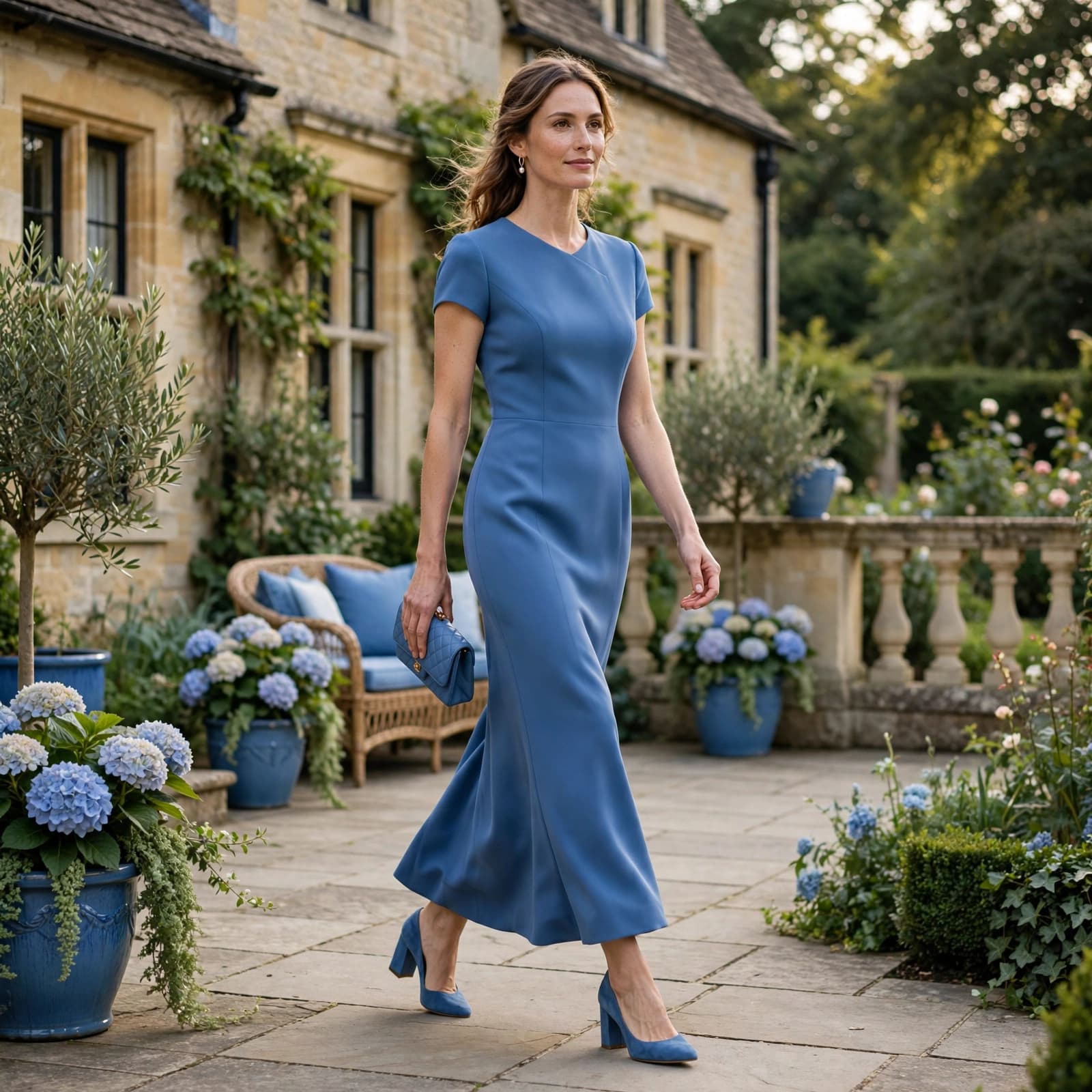
Pink sheath dresses or a blue style can work for a wedding with a clutch and block heels. Check the invitation’s dress code, and avoid white or near-white unless the couple requests it.
For evening events, try satin, velvet or embellishment. A knee-length sheath won’t meet every formal dress code, so check the requirements for evening events.
For daytime, switch to a crossbody bag, flats and a light jacket. A sheath can offer the versatility of a little black dress, but colour is a personal choice, so choose shades you enjoy wearing. Understated jewellery suits detailed fabric; a plain dress leaves more room for a distinctive accessory.
Is a sheath dress worth the price, and how can you buy one online?
Weigh the strengths and trade-offs before spending
The strengths and drawbacks depend on the individual garment:
- A neat silhouette is easy to layer, and simple detailing can support repeated wear without relying on a short-lived trend.
- Restrictive cuts can limit movement, whilst inconsistent sizing, alterations and specialist cleaning can increase the total cost.
Inspect the construction before paying more for presentation. A higher price doesn’t guarantee smoother seams, better fabric recovery or a comfortable lining. Equally, a lower-priced dress offers little value if it remains unworn.
Compare the full cost with alternatives
Cost per wear combines the purchase price with alterations and care, divided by the number of times you wear the dress. Use a realistic estimate based on your existing habits.
A roomier A-line dress may suit long days of sitting or walking. A stretch bodycon dress offers a closer fit if that’s your preference.
Compare equivalent fabric, lining and finishing rather than price alone. A sale discount is useful only when the dress already meets your requirements.
Use size guides, reviews and return terms when shopping online
Online shopping lets you compare more lengths, colours and size ranges. It also makes price differences easier to assess, although delivery and return charges can erase an apparent saving.
Check the size guide to see whether measurements describe the body or the finished garment. Then read reviews for recurring comments about tight hips, transparency and fabric feel.
Choose sellers with clear composition, care and contact details. Before paying, check dispatch times, return deadlines and refund conditions. Keep tags attached during an indoor fitting, and retain your order confirmation until you’re satisfied.
Frequently Asked Questions
Can you wear a sheath dress if you prefer a looser fit?
Yes, choose a gently shaped cut with enough ease rather than a sharply fitted design. If you’d prefer a looser silhouette, shift dresses are another option. Stretch can help, but check the size guide before sizing up, as the shoulders may end up too large. The dress should never feel painfully tight.
What shoes work best with a sheath dress?
Flats, loafers, court shoes and ankle boots all work, depending on the outfit. With a midi hem, check that boots don’t catch the lining or restrict your stride. Choose soles and heel heights that suit the walking you’ll do.
Can a sheath dress be worn in colder weather?
Yes, add tights and a tailored coat, with enough space through the sleeves for layering. A jumper can work over the dress, but check for bunching at the waist. Fabric weight and wind protection matter more than dark colours.
How do you stop a sheath dress from riding up?
Riding up can indicate insufficient room around the hips or thighs, or friction between layers. Check the fit whilst sitting and walking before trying styling fixes. A tailor can assess whether releasing a seam or adjusting an existing vent would help.
Final verdict: buy for comfort and repeat wear
Buy it if the dress feels comfortable in motion, suits your intended occasions and works with pieces you already own. Choose fabric that’s suitable for regular wear and easy to care for, making repeat wear more realistic.
Skip it if you need constant adjustments, can’t sit comfortably or would rarely wear it beyond one event. A sheath dress earns its place as a timeless classic through dependable fit and useful versatility, not just its appearance on a hanger.