A living room sofa can absorb more family life than almost any other piece of furniture. It collects crumbs, pet hair, muddy paw marks, guest spills, and the slow wear of everyday sitting. That is why the slipcovered sofa keeps its appeal.
In plain terms, it is a sofa with a removable fabric cover made for that frame, rather than fixed upholstery. For UK homeowners, the attraction of modern slipcover sofas is simple, comfort with a cleaner exit route. The best versions offer washable covers, a softer look, and the option to refresh the room without replacing the whole piece.
Key Takeaways
- Slipcovered sofas offer removable, fitted covers for easy washing and style refresh, ideal for busy UK family homes, rentals, or pet-friendly spaces, but less suited to formal or crisp contemporary rooms.
- Measure room size, access routes, and sofa dimensions carefully, matching seat depth and cushion fill (foam for firmness, fibre or feather for softness) to daily use.
- Choose practical fabrics like polyester blends or performance options over pure linen or cotton for better stain resistance and lower upkeep in high-traffic households.
- Shop online to compare full specs, total costs (including delivery, spares, and returns), and reviews focusing on real-world fit, washing, and comfort.
- Invest in models with spare covers and replaceable parts for long-term value, as the frame often outlasts the fabric with proper care.
What a slipcovered sofa is, and when it makes sense
A true slipcovered sofa is built with a made-to-fit outer cover in mind. The cover lifts off for cleaning or replacement, and the arms, seat, and back are shaped for that looser outer layer. That is different from a generic throw or an after-market stretch cover, which can hide the sofa but rarely fit it well. Purpose-made fitted slipcovers deliver a neater finish and easier care, without the riding up or bunching that disappoints many buyers.
This distinction matters because buyers often expect a neat finish and easy care, then end up with fabric that rides up or bunches. A purpose-made design usually solves that better. The frame, cushions, and cover are planned together, so the result looks intentional rather than improvised.
These sofas suit homes that get used. Family rooms, rented homes, spaces with a coastal aesthetic, traditional style interiors, and guest-heavy households all benefit from a cover that can come off. Popular models like the IKEA Ektorp, available from retailers such as Wayfair or Pottery Barn, appeal to buyers who like to change colour or fabric later. A fresh cover can change the room more cheaply than a new sofa.
Still, the style is not right for every space. Formal sitting rooms often look better with fixed upholstery and a sharper line. Some contemporary style interiors need crisp edges, firm tailoring, and little visible movement in the fabric. Slipcovers can look smart, yet the best of them still carry a softer mood.
How slipcovers change the look, feel, and upkeep of a sofa
The visual effect is usually gentler. Corners look less strict, rolled arms feel more inviting, and the whole piece sits more lightly in the room. That is part of the appeal. A slipcovered sofa can make a space feel lived-in without looking neglected.
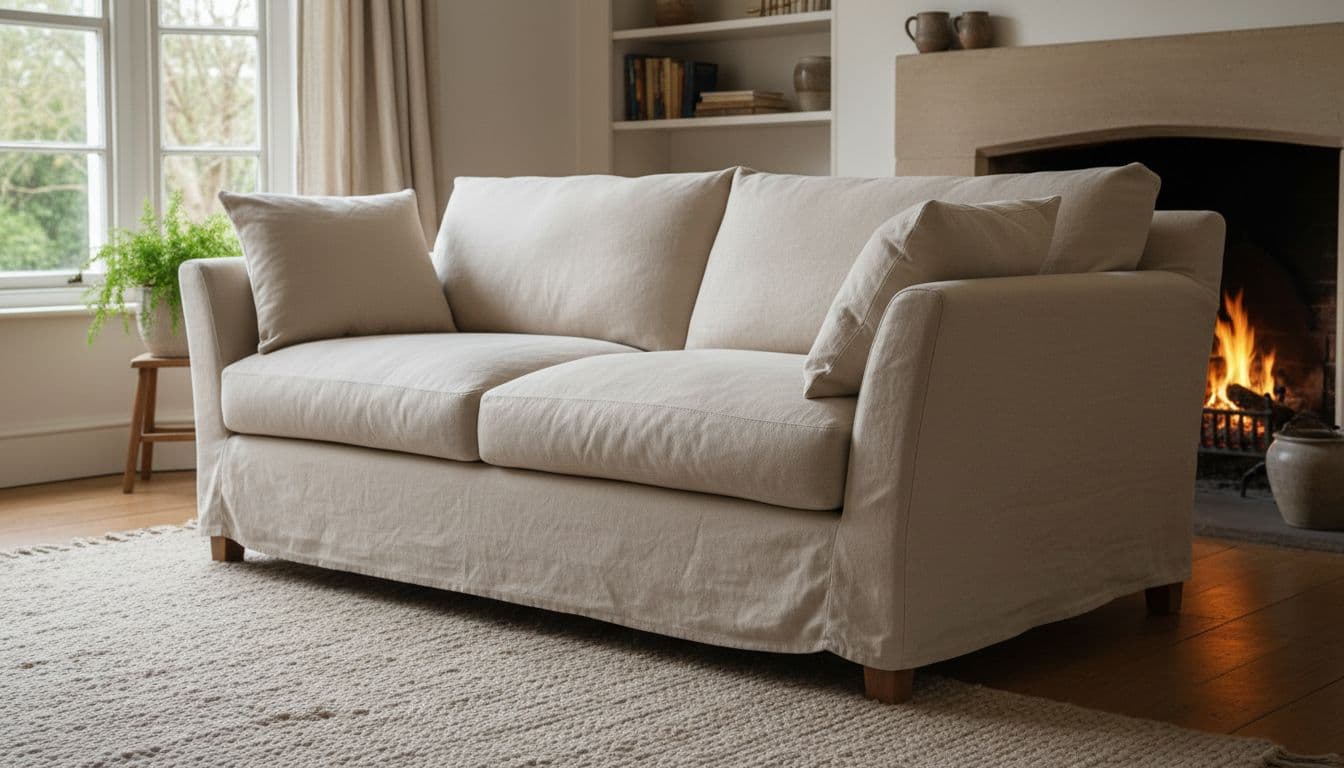
AI-generated image showing the relaxed profile that many buyers want from a slipcovered sofa.
Some designs are loose and casual. Others are surprisingly tailored, with skirted bottoms, piping, and tighter seams. Buyers should not assume every model looks rumpled. The fabric choice, cut, and cushion shape all affect the finish.
There is also a practical shift. When the outer layer comes off, stain control becomes less stressful. A sofa stops being a single, fixed textile decision and becomes easier to maintain over time. In buyer’s guides like this, AI-generated images and comparison tables work best when they match the text width on desktop and mobile, because furniture details are easier to judge when visuals sit neatly within the reading column.
The main pros and cons before buying
The gains are clear. Washing is simpler, stains feel less final, and style changes cost less if spare covers are available. For busy homes, that flexibility has real value.
The drawbacks are real too. Covers can move, crease, and need re-fitting after washing. Some fabrics need steaming. Poorly cut covers can sag or twist at the seat and arms.
Removable doesn’t always mean low-effort. A good slipcovered sofa still needs the right fabric, fit, and care routine.
How to choose the right slipcovered sofa for size, comfort, and fabric
Most buying mistakes happen before the first order is placed. Buyers focus on colour and forget scale, seat depth, or cushion fill. With a slipcovered model, those details matter even more because the softer outline can make the sofa look larger than the numbers suggest.
Measure the room first, then check the sofa dimensions carefully
Start with the room, not the product page. Measure wall length, radiator position, window clearance, and how far the sofa will project into the space. Then check the route into the home, front door, hallway width, stairs, and any tight turn on a landing.
That is especially important in UK homes with narrow halls, older terraces, and smaller reception rooms. A deep, broad-armed sofa can dominate a room even if the listed width sounds reasonable, whether it is a bench seat sofa or a sectional sofa.
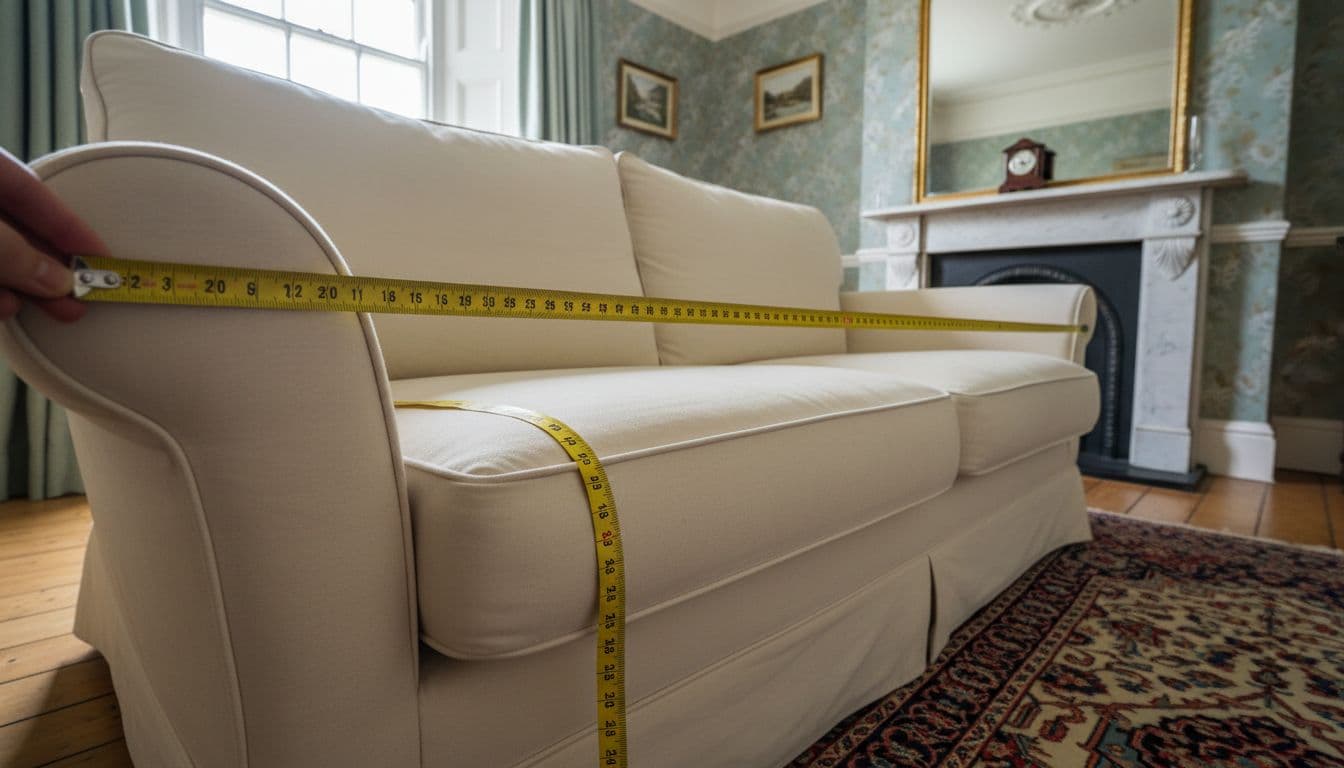
Measuring width and depth early helps avoid the classic “fits online, fails in the hallway” problem.
Seat depth changes the feel of the whole living room. Deep seats invite lounging, but they need more floor space. High arms can also make a sofa look bulkier than expected. Measurements on paper often feel abstract, so marking the footprint on the floor with tape can help.
Choose seat depth and cushion fill to match how the sofa will be used
Comfort depends on posture as much as softness. A more upright seat suits regular sitting, conversation, and older buyers who want easier access. Deep seats suit stretching out, film nights, and homes where the sofa doubles as a second bed for guests.
Cushion fill changes upkeep, especially under removable cushion covers. Foam holds shape well and usually feels firmer. Fibre feels softer at first but can flatten faster and needs regular plumping. Feather feels luxurious and slouchy, yet it needs the most maintenance and may not suit allergy-prone homes. Blended fills often land in the sensible middle, with softness and better recovery.
A good frame matters too. Hardwood or high-quality engineered wood tends to last better than cheaper softwood frames. If the frame is weak, a washable cover will not save the purchase.
Pick a fabric that suits daily life, not just the showroom look
Fabric is where comfort, cleaning, and long-term regret meet. A Belgian linen slipcover feels natural and breathable, but it can crease and stain more easily. Cotton looks beautiful and relaxed, though it wrinkles fast and often needs more care. Polyester blends are less romantic, yet they can be easier to live with because they resist wear and hold colour better. Performance fabrics often add stain resistance and improved durability to manage spills and stains, which matters in homes with pets or young children.
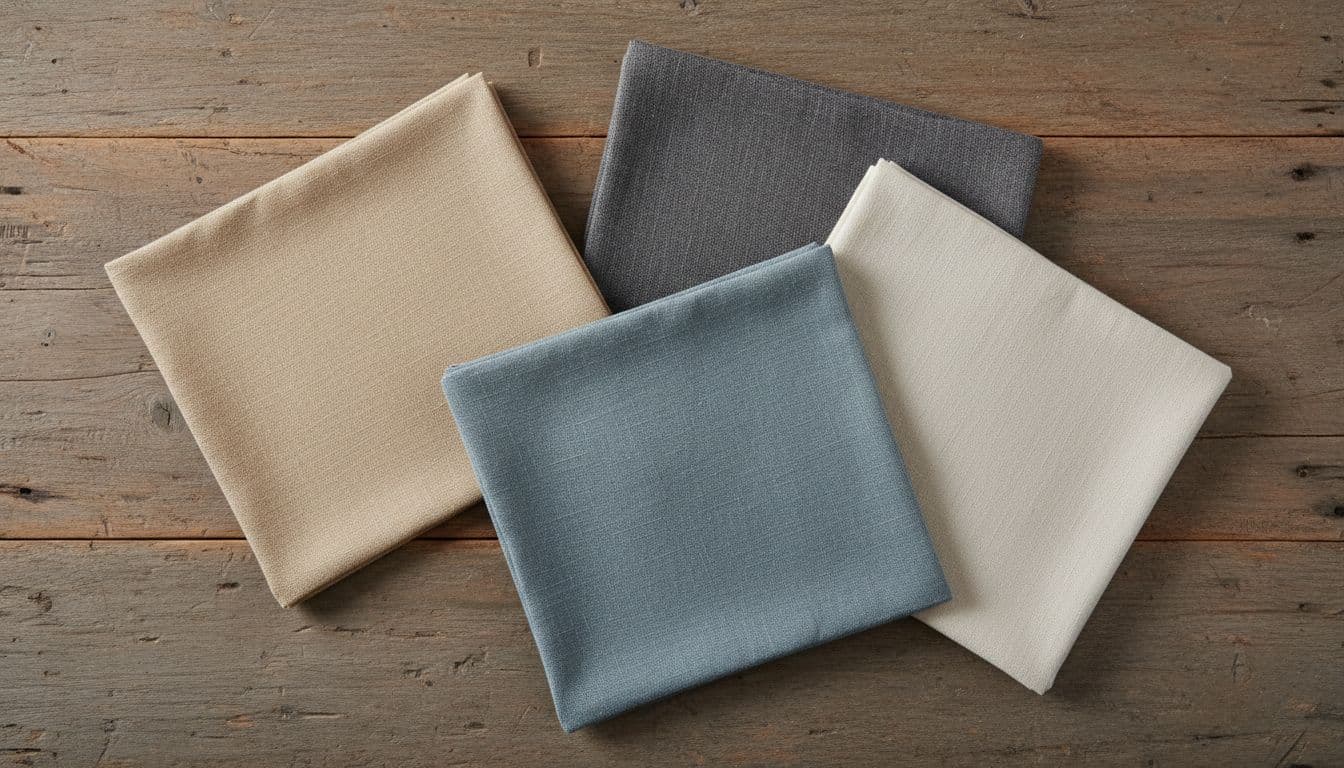
Fabric texture changes both the look and the workload of a slipcovered sofa.
Pale covers can look fresh and calm. They also show marks faster in high-traffic rooms. Darker shades hide some dirt but may fade in strong sun, especially near a south-facing window. Samples matter because online photos often soften texture and shift colour.
Buying online often gives better choice, clearer pricing, and more time to compare
Online shopping suits this category because the decision is detailed and rarely urgent. In a showroom, the eye often settles on colour first. Online, buyers can slow down and compare depth, arm width, frame notes, filling, and care instructions side by side.
That wider view is useful because slipcovered sofas vary far more than they first appear, and online platforms help buyers keep up with interior design and design trends. One model may offer spare covers, machine-washable cotton, and a hardwood frame. Another may look similar in photos but use dry-clean-only fabric and a weaker structure. Online listings also tend to show more cover colours and fabric upgrades than a shop floor can hold.
What to check on a product page before placing an order
Written specifications matter more than styled photos. Fabric can look smoother, lighter, or heavier in studio images than it does in a home.
Before ordering, buyers should check:
- full width, depth, height, and seat measurements
- frame material and suspension details
- cushion filling and whether cushions are reversible
- fabric composition and care instructions
- rub count, if given, often listed as a Martindale figure
- whether spare or replacement fitted slipcovers are available
- delivery method, access checks, and assembly needs
- return terms, collection fees, and warranty length
Reviews can help, but the useful ones tend to mention fit, washing, cushion sag, and real-world comfort after several months.
How to compare prices without missing the fine print
Headline price is only the starting point. A lower figure can mask higher delivery charges, paid assembly, expensive fabric upgrades, or poor return terms. Meanwhile, a slightly higher price may include washable fabric, better cushions, and access-friendly delivery.
This quick table shows where the real cost often sits:
| Cost item | Why it matters |
|---|---|
| Headline price | It may exclude better fabric grades or larger sizes. |
| Delivery and assembly | Upper-floor delivery or room-of-choice service can add a fair amount. |
| Spare covers | A sofa with replacement covers can cost less over its life. |
| Cleaning needs | Dry-clean-only covers can become expensive over time. |
| Returns and warranty | Collection fees and short warranty terms reduce the value of a lower price. |
The better comparison is total cost, not the number shown first.
Practical details that matter after delivery
A slipcovered sofa often looks most convincing in the first week. The better test comes later, after washing, re-fitting, and months of daily use. That is where ownership costs come into focus.
How easy the cover is to wash, dry, and put back on
Removable covers are not the same as easy. Some washable covers are machine washable at low heat. Others need dry cleaning, which changes the maths straight away. Cotton and linen blends may shrink if washed badly, and thick covers can take a long time to dry in UK weather. Even durable velvet slipcovers on a loose cover sofa benefit from separate cushion covers, which allow for quick cleaning in a busy living room.
Refitting matters as much as washing. Some covers slip back on neatly with zip guides and clear seams. Others need tugging, smoothing, and a good steam to look right again. That extra effort may be fine for occasional cleaning, but it wears thin if the sofa lives with pets or children.
Why spare covers and replaceable parts can save money later
The most practical models treat wear as normal. Replacement covers, refillable cushions with cushion covers, and repairable feet extend the life of the sofa and cut waste. That matters because the frame often outlasts the fabric.
A sofa that can take a new cover after a few years is easier to justify than one that needs replacing at the first sign of heavy wear. In money terms, that can turn a moderate purchase into a better long-run value than a cheaper piece with no parts support.
Frequently Asked Questions
What is a slipcovered sofa, and how does it differ from a regular sofa?
A slipcovered sofa has a purpose-made removable outer cover fitted to its frame, unlike fixed upholstery on standard sofas. This allows easy washing or replacement, delivering a softer, more casual look without bunching or riding up. Generic throws or stretch covers rarely match this neatness and ease.
Are slipcovered sofa covers easy to remove and clean?
Most are machine-washable at low heat, but check care labels as some need dry cleaning or steaming post-wash to refit neatly. Refitting can take effort, especially after shrinking or in damp UK weather, so opt for zip-guided designs. Separate cushion covers simplify spot cleans in busy homes.
How do I ensure the sofa fits my UK home and lifestyle?
Measure room walls, doorways, stairs, and floor space first, then match sofa width, depth, and height. Consider seat depth for lounging versus upright sitting, and fill types like foam for durability. Test footprint with tape on the floor to avoid dominance in smaller terraces or reception rooms.
What fabric should I choose for a slipcovered sofa?
Prioritise blends with stain resistance, like polyester or performance fabrics, for pets, children, or spills over wrinkly linen or cotton. Pale shades show marks faster, while darker ones hide dirt but may fade in sun. Always request samples, as online photos alter texture and colour.
Can I change the cover colour or style later?
Yes, many models like IKEA Ektorp offer spare or replacement covers in various fabrics and colours, refreshing the room cheaply. Check availability before buying, as it boosts long-term value over fixed-upholstery sofas. This flexibility suits evolving tastes or wear in lived-in spaces.
Final thoughts
Slipcovered sofas make sense when a home asks a lot from its furniture, such as beach houses. The best choice depends on room size, access, cushion fill, fabric care, and the full ownership cost after delivery.
The strongest versions are not the ones that photograph best. They are the ones that still sit well, wash well, and look settled after ordinary use, with details like a box pleated skirt ensuring a high-end finish. When comfort, cleanability, and flexibility matter as much as appearance, a slipcovered sofa earns its place.
Explore More Expert Buyers Guides & Money Saving Tips
For a list of our main buyers guides use the drop-down menu at the top of the page. Topics related to this article are:
Home and Garden Furniture Buyers Guides
Bedroom Furniture Buyers Guides
living Room Furniture Buyers Guides
Garden Furniture Buyers Guides
Patio Furniture Sets Buyers Guide
–
Explore Our Blog Categories for Expert Buying Advice
- AI Powered Product Finder Tools
- Apple Products Buyer’s Guides & Reviews
- Beauty, Health & Wellness | Perfume, Skincare, Makeup & Wellbeing Guides
- Bedroom Furniture Guides UK | Expert Tips & Best Value Deals
- Beds Buying Guides UK | Types, Tips & Best Deals
- Brands – Phones, Laptops, PC”s, Tablets | Buyer’s Guides & Reviews
- Brands & Designer Products (Men, Women & Electronics)
- Car Buying & Financing Made Easy | Expert Guides for the UK
- Car Rental Worldwide: Compare Prices & Top Deals for UK Travellers
- Christmas Essentials: Decorations & Gift Ideas
- Clothing, Fashion & Accessories Buying Guides UK
- Designer Fashion Brands: Buyer’s Guides & Reviews
- Diamond Jewellery Buyers Guides & Shopping Tips
- Electronic Brands: Buyers Guides & Reviews
- Electronics – Tablet & iPad Reviews and Buyers Guides
- Electronics, Tech & Gadgets: Reviews, Deals & Buying Guides UK
- Europe Holidays & Hotels: Top Destinations, Booking Guides & Local Attractions
- Expert Buying Guides & Shopping Tips for UK Shoppers
- Flooring: Wood, Laminate, Carpets and Floor Tiles Buyers Guides
- Footwear Brands: Reviews & Buyer’s Guides
- Footwear: Trainers & Shoes Buyers Guides
- Furniture Buyer’s Guides | Home & Garden & Styling Tips
- Gadget Insurance UK | Expert Guides, Reviews & Smart Protection Tips
- Game Reviews — PlayStation, Xbox, Nintendo & PC
- Gaming Buyers Guides — Consoles, Games, Keys & More
- Garden Furniture UK: Expert Reviews, Deals & Buying Guides
- Garden Furniture, Landscaping & Garden Rooms Guides UK | Expert Tips & Best Value Deals
- Garden Rooms, Offices & Garden Buildings Guides UK | Expert Tips & Best Value Deals
- Gemstone Jewellery Buyers Guides
- Gifts for Everyone: Ideas for Every Occasion & Budget
- Gold Jewellery Buyers' Guides & Shopping Tips
- Holidays & Travel: Hotels, Villas, UK Breaks & Skiing
- Home Décor, Interior Design & Styling Tips UK | Inspiration & Expert Advice
- Home Emergency Cover UK | Expert Guides, Reviews & Practical Protection Tips
- Home Furniture Guides UK | Expert Tips & Best Value Deals
- Home Furniture, Décor & Interior Design Guides UK | Styling Tips & Inspiration
- Insurance & Protection: Travel, Landlord, Gadget & More UK
- iPhone Buying Guides, Reviews & Comparisons for the UK
- iPhone Insurance UK | Expert Guides, Reviews & Smart Protection Tips
- Jewellery Rings Buyers' Guides & Shopping Tips
- Jewellery: Expert Reviews, Trends & Buying Guides
- Kitchen Appliance Brands: Buyer’s Guides & Reviews
- Kitchen Appliances UK: Buyers Guides, Reviews & Money Saving Tips
- Landlords Insurance UK | Expert Guides, Reviews & Smart Protection Tips
- Laptop Brands & MacBooks Buyer’s Guides & Reviews
- Laptop Brands: Buyer’s Guides & Reviews
- Living Room Furniture, Design & Décor Guides UK | Styling Tips & Inspiration
- Makeup – Expert Buyers Guides & Reviews
- Men's Clothes — Buyers Guides & Reviews
- Men’s Clothes, Fashion & Accessories Guides UK | Latest Trends & Smart Shopping
- Men’s Fragrance Brands: Perfume & Aftershave Reviews & Buyers Guides
- Perfume & Aftershave Brands: Reviews & Buyers Guides
- Perfume & Fragrance: Best Scents, Reviews & Buying Guides
- Pets: Guides, Tips & Inspiration
- Phone Brands & iPhones Buyer’s Guides & Reviews
- Phone Brands: Buyer’s Guides & Reviews
- Phone Insurance UK | Expert Guides, Reviews & Smart Protection Tips
- Skincare — Expert Buyers Guides & Reviews
- Sportswear Brands: Reviews & Buyers Guides
- Supplements Buyers Guides — Expert Tips & Recommendations
- Trainer Brands: Reviews & Buyer’s Guides
- Travel Insurance UK | Expert Guides, Reviews & Money-Saving Tips
- UK Holidays & Hotels: Best Destinations, Booking Guides & Local Attractions
- Women's Clothing Buyers Guides — Dresses, Tops & More
- Women’s Clothes, Fashion & Accessories Guides UK | Latest Trends & Smart Shopping
- Women’s Designer Brands: Buyer’s Guides & Reviews
- Women’s Designer Shoe Brands: Buyer’s Guides & Reviews
- Women’s Dresses | Online Shopping Guides, Style Tips
- Women’s Perfume Brands: Reviews & Buyers Guides